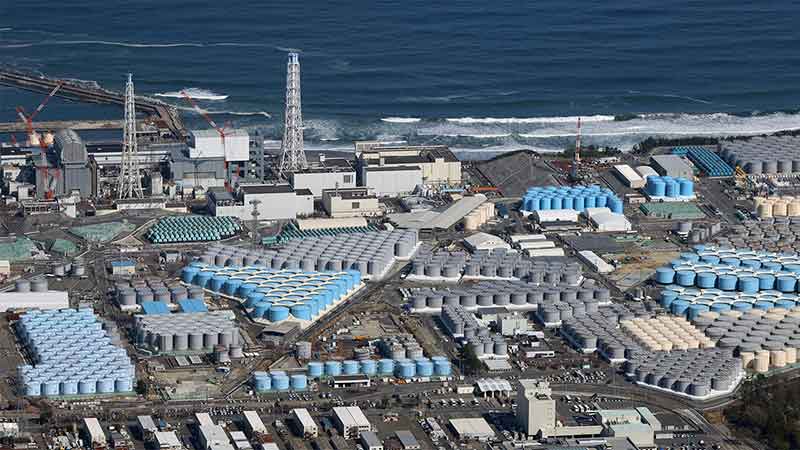
As Japan started releasing treated radioactive water from the wrecked Fukushima nuclear power plant into the Pacific Ocean on Aug. 24, 2023 (Tokyo), the entire water body of the Pacific Ocean will be polluted with sewage within months. The Fukushima wastewater release presents a concerning radioactive contamination threat to the Pacific. We don’t know how bad it’s going to be, but we know it’s not going to be a good thing to wait for. So, let’s talk about Do Respirators Help Protect You From Fukushima’s Radioactive Wastewater?
A quick conclusion:
- Pollution from water bodies: Respirators may filter contaminated sea spray aerosols, but won’t prevent exposure from ingesting or direct contact with radioactive seawater or contaminated seafood.
- Pollution from the environment: While respirators have limitations, they do offer partial protection against radioactive particles and dust in a nuclear event. Used alongside proper sheltering, respirators can reduce radiation exposure versus no protection at all. But specialized equipment is needed for full safety from nuclear fallout.
Let’s try to list some helpful knowledge.
Pollution from water bodies
As Fukushima’s radioactive wastewater enters the Pacific Ocean, questions arise around how to protect ourselves from this contamination. Unfortunately, respirators have very limited usefulness in this situation. Here’s why:
- The main hazard is ingesting or contacting contaminated seawater and seafood, not airborne particles.
- Cesium, tritium and other isotopes discharged will dissolve and disperse in ocean water, not stay airborne.
- Therefore, respirators cannot meaningfully protect against radiation exposure from swimming or consuming affected seawater, fish, etc.
- At most, respirators may offer some protection against ocean spray containing radioactive salt particles. But this is minor compared to contamination risks from direct ocean contact and ingestion.
- Lead, concrete and other shielding obviously offer no protection in the ocean either.
Instead, the most prudent protective steps are:
- Avoiding proximity to the contaminated waters as much as possible.
- Monitoring seawater and seafood for radioactive contamination to identify risks.
- Being judicious in consuming potentially affected fish and ocean species.
- Taking political action to demand meaningful solutions from authorities.
While important in many radiation release scenarios, standard respirators have very limited applicability in this context of ocean contamination from Fukushima wastewater.
How long would it be safe for regular ocean swimming or seafood consumption after radioactive contamination from Fukushima’s radioavtive wastewater?
There are a few factors that determine how long it would be safe to swim in the sea after radioactive contamination from Fukushima wastewater:
- Type of radioactive isotopes released – Some have short half-lives, others can persist for years.
- Concentration and distribution of contaminants – Higher initial concentrations and proximity to release point mean higher exposure risk. Over time the radiation diffuses and becomes more diluted.
- Ongoing release rate – If Fukushima continues leaking radiation, levels may remain unsafe for extended periods as new contamination is introduced.
- Ocean currents and tides – These will influence how quickly the radiation spreads and where it concentrates in the Pacific.
- Detection capability – Being able to monitor radiation levels in seawater, fish and seafood is key to assessing safety.
Currently, with the recent release of treated but still radioactive wastewater, experts warn that radiation levels immediately around Fukushima could recontaminate to unsafe levels.
Further away, occasional swimming may be low risk depending on testing results, but regular ocean swimming or seafood consumption is not recommended until diffusion reduces radiation concentrations. This may take months to years depending on ongoing releases. Ongoing monitoring via seawater testing and marine samples would be essential to determine when radiation drops to acceptable levels again for regular ocean use.
A sad truth: How long will it take for Fukushima’s radioactive wastewater to be all discharged into the ocean?
The news now is at least 30 years.
Could Fukushima’s radioavtive wastewater potentially impact the air and land environment?
Yes, the release of radioactive wastewater from the Fukushima Daiichi nuclear plant could potentially impact the air and land environment in addition to ocean contamination:
- Airborne: Radioactive steam, vapor and sea spray containing particles with radioactive isotopes may get airborne and spread with wind. Inhaling or ingesting these could be a hazard.
- Land: Depending on currents and tides, contaminated water reaching shores could affect coastal land and groundwater. Growing crops with tainted water would be a risk.
- Rainfall: Radioactive particles in the atmosphere could come down with precipitation, contaminating soil and vegetation inland.
- Food chain: Marine life absorbing radiation could enter food supply. Rice, meat from coastal grazing animals also potentially affected.
- Dumping wastewater: If Fukushima wastewater leaks or is dumped untreated, direct land and freshwater contamination.
While the greatest risk is to the Pacific Ocean itself, air and land environmental contamination is possible depending on prevailing weather and currents. Monitoring of air, soil, water and food sources would be vital to assess spread of the radiation on land and take protective steps if necessary. But the Pacific ecosystem is most directly threatened by the radioactive water release.
For more information, please read on:
What is Nuclear Radiation and What Are Its Hazards?
Nuclear radiation emitted in events like reactor meltdowns or nuclear detonations consists of:
- Alpha particles – easily blocked but dangerous if ingested
- Beta particles – moderately penetrating
- Gamma rays – highly penetrating electromagnetic radiation
- Neutron radiation – most penetrating type
This radiation can damage DNA and cause acute radiation sickness at high exposures. Contaminated air, water and food are all hazards during nuclear fallout. External radiation exposure as well as inhaling or ingesting radioactive particles pose risks.
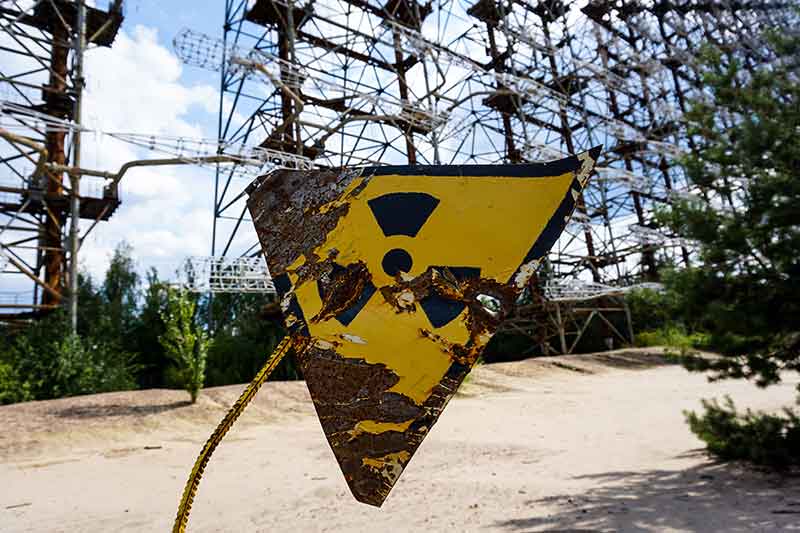
Do Respirators Shield Against Gamma Rays and Neutrons?
Unfortunately, respirators do not meaningfully block external radiation exposure from gamma rays and neutrons, which easily penetrate human tissue and most materials. Only thick lead, concrete, or dense materials like depleted uranium can provide adequate shielding. Respirator materials cannot sufficiently attenuate these types of ionizing radiation.
Can Respirators Filter Out Radioactive Particles?
Yes, well-fitted respirators are quite effective at filtering out airborne radioactive particles, dust, smoke and other contaminants containing radioactive isotopes like cesium-137 or iodine-131. By filtering the air you breathe, respirators reduce internal lung exposure and ingestion of radioactive materials. However, external radiation hazards remain.
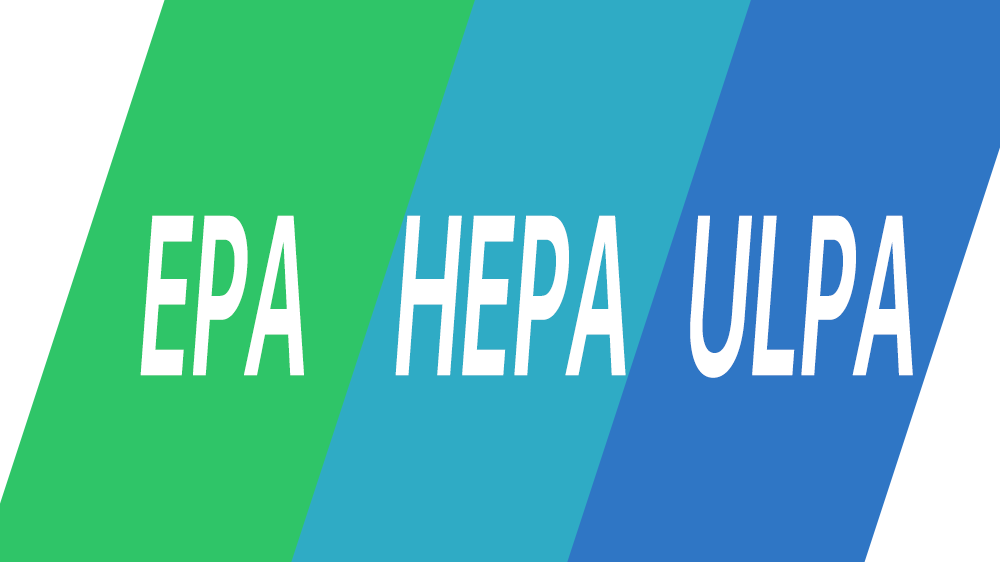
What types of particles can a respirator filter out? Please check:
What’s the Best Protection Strategy in a Nuclear Event?
Expert guidance recommends sheltering in place in the lowest, most central building area possible during an emergency radiation release. This puts maximal mass between you and the radiation source. In addition to sheltering, wearing tightly sealed protective clothing and respirators reduces exposure to radioactive particles as much as possible. Respirators complement sheltering but cannot replace appropriate shielding from high-energy radiation.
Could Specialty Respirators Offer More Protection?
Purpose-built radiation blocking masks crafted from metal alloys and other novel materials can provide greater radiation shielding from gamma rays and neutrons. But availability of these specialized products is limited. When selecting respiratory protection, certified devices like N95s help limit internal contamination but do not replace proper radiation sheltering.
In summary, while common respirators have limitations, using them properly in a nuclear event does reduce radiation exposures versus having no respiratory protection at all. But the best strategy remains adequate sheltering combined with measures to avoid ingesting or inhaling radioactive contaminants.