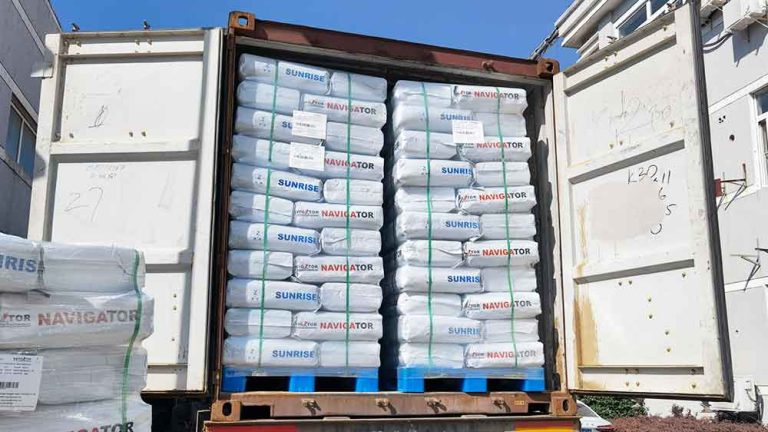
Water electret masterbatches can enable meltblown fabrics with 99.99% filtration efficiency. But simply adopting the media alone doesn’t guarantee performance – your overall quality control system is equally critical. Even the best materials underperform in unstable processes prone to variation.
This article offers guidance on optimizing quality management in meltblown production to achieving 99.99% efficiency, the true potential of water electret masterbatches. We’ll explore key strategies for increasing process stability, consistency, traceability and driving continual improvement.
Achieving 99.99% Efficiency? Why we know the key?
At our company, we have worked with meltblown manufacturers for years as a leading supplier of water electret masterbatches. In partnering closely with customers on honing their production processes, we’ve seen firsthand the practices that allow firms to achieve 99.99% filtration efficiency versus those that struggle with quality variation.
This guidance comes directly from our accumulated experience. Time and again, we’ve witnessed the critical role robust quality control plays in optimizing meltblown performance, especially when incorporating innovative water electret masterbatches.
Specifically, customers that adopt disciplined quality management programs, rigorously control their processes, and continually drive improvement ultimately succeed at achieving 99.99% efficiency targets, even with older equipment.
On the other hand, some manufacturers assume switching masterbatches alone guarantees results. But inattention to quality control causes performance to falter. We want to help customers avoid this pitfall through education.
Our goal is paying forward lessons from partners who are excelling on their quality journey. By sharing proven advice straight from the production line, we hope to shortcut the learning curve. Now let’s explore key strategies to ensure water electret masterbatches achieve their unmatched potential in your facility…
Why Quality Control Matters
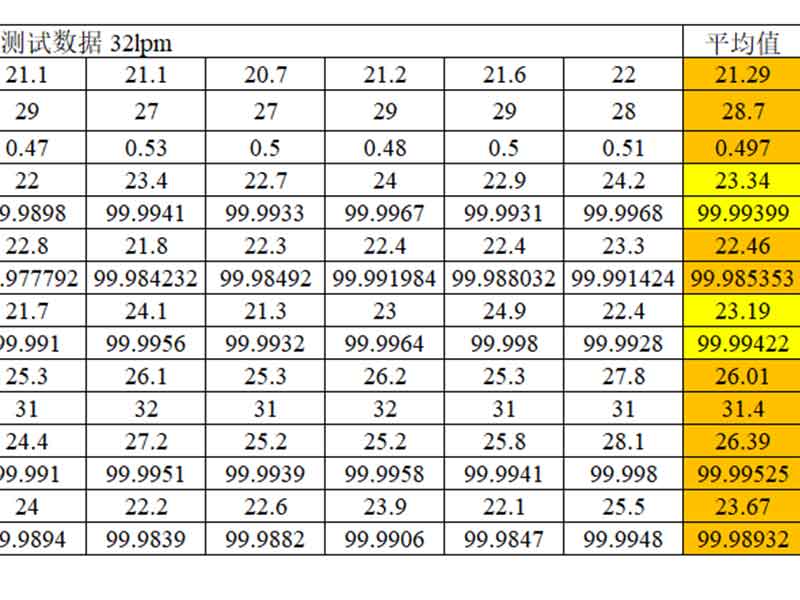
In meltblowing, many variables affect final properties like fiber diameter, basis weight uniformity, strength, and electrostatic charging. Controlling these variables is challenging. Slight process fluctuations or material changes lead to defects and performance degradation.
Water electret masterbatches impart exceptional intrinsic electrostatic enhancement. However, inconsistent upstream steps will hinder efficiency. Maximizing quality across all stages is essential. No single step alone delivers perfection.
Take a systems view – even if your water electret masterbatch achieves 99% efficiency in lab tests, real-world production involves many additional inputs. Robust quality control binds everything together.
Statistical Process Control
Monitor Critical Parameters
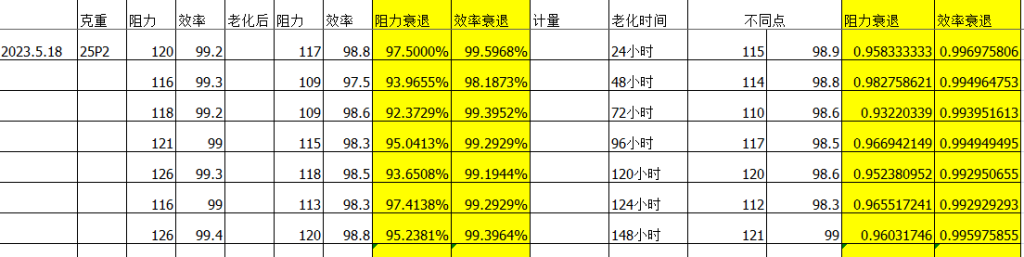
Achieving stability begins with visibility. Statistical process control (SPC) provides real-time insights by tracking key output variables against specification limits to identify deviations.
Critical meltblowing parameters to monitor via SPC include:
- Basis weight consistency
- Fiber diameter distribution
- Throughput rate
- Web uniformity
- Polymer melt temperature
- Air temperatures
- Final product properties like efficiency
As measurements stray outside boundaries, SPC flags the abnormality. Production can be paused to troubleshoot and eliminate the root cause before continuing.
Control charts visually display trends, making analysis intuitive. Consistent points inside limits indicate stability. Patterns like runs or clustering signal something is amiss requiring intervention.
Increase Testing Frequency
Conventional practice only evaluates finished rolls. But intermittent checks between major steps pinpoints the onset of problems quicker.
For example, measure fiber diameters and basis weight after web formation but before electret charging. Verify these foundational properties first since changes will carry through downstream.
This mid-process inspection acts as early warning detection should unacceptable variation arise, preventing wasted time and materials. More frequent monitoring at controlled points keeps everything on track.
Improve Standardization and Training
Lack of standardized procedures and worker training breeds inconsistency. Identify key process steps where technique impacts outcomes. Define exactly how these should be performed each time.
Confirm employees are skilled in properly executing protocols through hands-on validation. Refresh training regularly to prevent bad habits over time. Well-executed fundamentals are the bedrock of quality meltblowns.
Thoroughly document methods, equipment prep and shutdown, troubleshooting guides, safety policies and more. Readily accessible information maintains institutional knowledge.
Enhance Traceability
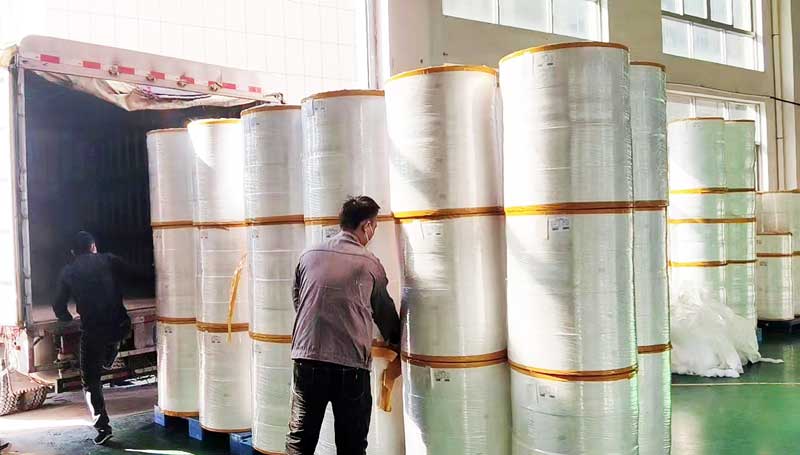
Robust product genealogy traceback is essential when issues arise. Assign unique ID numbers to all incoming raw materials and outgoing finished products. Build databases tracing each batch’s lineage.
This granular tracking through the supply chain facilitates root cause investigation. Problems can be traced back to the specific material lots or production runs involved for targeted containment.
Promote Consistency
Variability is the enemy of quality. Identify sources of uncontrolled variation and mitigate through improved procedures.
For example, establish acceptance criteria and testing for critical inputs like polymers. Don’t allow unacceptable shipments to enter production.
Schedule maintenance programs to avoid equipment failures disrupting operations unexpectedly.
Standardize facility environment conditions like humidity which impacts materials.
Apply Optimization Methods
Borrow from Six Sigma, Lean and other quality programs to engrain continuous advancement.
Statistical tools can quantify current defect rates for priority focus areas. Statistical process control provides leading indicators of stability.
Mapping production workflows highlights non-value added time delays. Refining material movements smoothes output.
Error proofing through automation and measured involvement aims to prevent human miscues.
Upgrade Equipment Strategically
Old or unreliable equipment inevitably suffers performance declines. As budgets allow, replace outdated meltblowing machinery, conveyors, etc.
New technology better controls critical parameters like air and melt temperatures. Next generation lines offer advanced monitoring.
Prioritize upgrades delivering the most stability gain per dollar spent. A holistic view maximizes benefits.
Perform Root Cause Analysis
Asking “5 Whys” when issues emerge reveals the true underlying problem to address. Symptoms often mask deeper factors.
Example: Final product efficiency testing is low.
- Why? Basis weight is too low.
- Why? Polymer throughput slowed.
- Why? Melt pump overdue for maintenance.
- Why? No preventive schedule assigned.
- Why? Lacking sufficient maintenance staffing.
This roots out the staffing gap allowing future prevention. Drive beyond superficial blame to systemic insights.
Build an Expert, Dedicated Team
Implementing rigorous quality and process control systems lays the groundwork, but dedicated people make it happen. The human element is indispensable for excelling at meltblown manufacturing.
Experienced teams adept at their specific responsibilities drive consistency through skilled, precise execution. They take pride in mastery of their craft. Cross-training and shared problem-solving also builds collective wisdom.
Workers must adhere to protocols and standards without cutting corners under pressure. A mindset of diligence and precision ensures meticulous attention to every detail, no matter how minor.
Instilling a sense of ownership and accountability further cements proactive participation. Providing autonomy and reward for contributions motivates continual analysis and enhancement.
Ultimately, it is the insight, care, and tenacity of your workforce that brings robust systems to life. Their expertise and commitment transformed into action can achieve the remarkable. An empowered team is the linchpin to achieving 99.99% efficiency performance.

Conclusion
Water electret masterbatches enable incredible filtration potential. But robust quality control practices are equally crucial to achieving 99.99% efficiency in manufacturing. Take a systems approach, investing in process stability, consistency, traceability and continual betterment. With hard work, achieving your highest performance goals is within reach.