In the realm of filtration, two heavyweights take the stage: Meltblown vs Glass Fiber Filters. Each brings its own set of advantages and drawbacks to the arena.
Dive into this comprehensive comparison to discover the nuances between these filtration materials. We’ll explore factors such as filtration efficiency, physical characteristics, lifespan, cost, and environmental impact.
By the end, you’ll have a clear understanding of when to bet on meltblown filters and when to favor the tried-and-true glass fiber counterparts. Make informed filtration choices that align with your specific industry and application needs.
And please note that we, Navigator / WEMC.CC, are a pro water electret masterbatch manufacturer for you, please check our EP-6 water electret masterbatch series out: EP-6.
Introduction:
In the world of filtration, efficiency is the name of the game. For decades, glass fiber filters have held a prominent position as the gold standard for achieving remarkably high filtration efficiency. Their ability to trap particles smaller than the human eye can perceive has made them indispensable in critical industries such as healthcare, electronics, and aerospace.
However, there’s a new contender on the scene – meltblown filters. Historically, meltblown filters faced a significant hurdle when it came to matching the filtration efficiency of glass fiber filters. Yet, the landscape is shifting, and a filtration revolution is underway. Meltblown filters, infused with cutting-edge technologies like Water Electret Charging (WEC), have made remarkable strides, pushing their filtration efficiency to unprecedented heights – a staggering 99.99%.
So, the question arises: Can meltblown filters truly replace glass fiber filters in industries where efficiency is paramount? In this article, we will delve into the critical factors that differentiate these two filtration technologies, with a focus on filtration efficiency. We’ll explore the advancements that have brought meltblown filters to the forefront and investigate the industries where this substitution is becoming increasingly viable. Buckle up; it’s time for a filtration revolution.
Efficiency Unveiled: Meltblown vs Glass Fiber Filters
When comparing the filtration efficiency of glass fiber filters and meltblown filters, several factors come into play:
- Glass Fiber Filters: Glass fiber filters are renowned for their exceptional filtration efficiency. They can achieve extremely high efficiency levels, often with ratings like MERV 15-16 (Minimum Efficiency Reporting Value) or even equivalent to HEPA (High-Efficiency Particulate Air) or ULPA (Ultra-Low Penetration Air) standards. Glass fiber filters excel in capturing tiny particles, even those smaller than 1 micron in size.
- Meltblown Filters: Historically, meltblown filters had limitations in terms of efficiency. However, advancements in meltblowing technology and the introduction of electret enhancement have significantly improved their efficiency capabilities. It’s now possible for meltblown filters to reach high-efficiency levels, with MERV ratings of 13-14 and equivalency to HEPA standards. Achieving this level of efficiency is a result of not only the fiber size but also the introduction of electrostatic effects through electret charging.
- Factors Affecting Efficiency: For glass fiber filters, efficiency primarily depends on factors like fiber diameter and packing density. In contrast, meltblown filters benefit from finer fiber size, but electrostatic effects play a crucial role in enhancing their efficiency. This electrostatic attraction assists in trapping particles, especially as space within the filter media decreases during loading.
- Efficiency Under Load: Over time, as filters become loaded with particles, their efficiency can decrease. Glass fiber filters may experience a more significant decline in efficiency as particles accumulate within the filter matrix. In contrast, some meltblown filters are better at maintaining efficiency during loading due to electrostatic forces that continue to capture particles effectively as the available space within the filter decreases.
- Uniformity of Filtration: Glass fiber filters often benefit from more uniform fiber distribution during manufacturing. This uniformity results in better particle capture across the entire filter media. Meltblown filters, on the other hand, can exhibit variability in fiber distribution, which may lead to voids and uneven filtration, potentially allowing some particles to penetrate the filter.
Filtering with Finesse: Meltblown vs Glass Fiber Physical Features
Physical Structure:
- Glass Fiber Filters: Glass fiber filters are typically composed of microfibers, which are incredibly fine and have a diameter in the micrometer range (typically around 0.5-2 micrometers). These fine fibers are randomly arranged to create a dense, intricate network. The small fiber size and tight packing contribute to their high filtration efficiency.
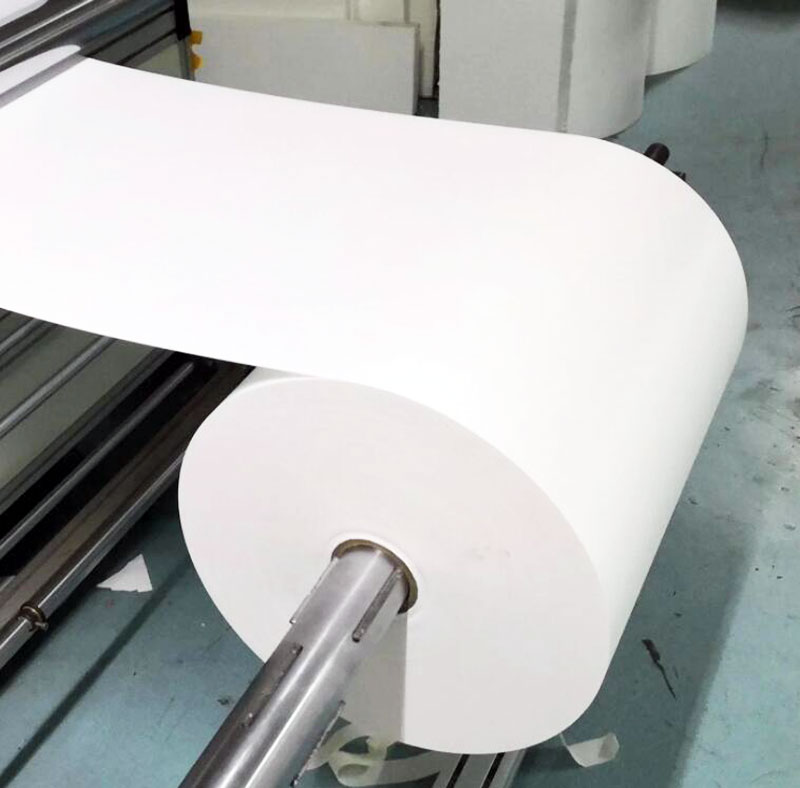
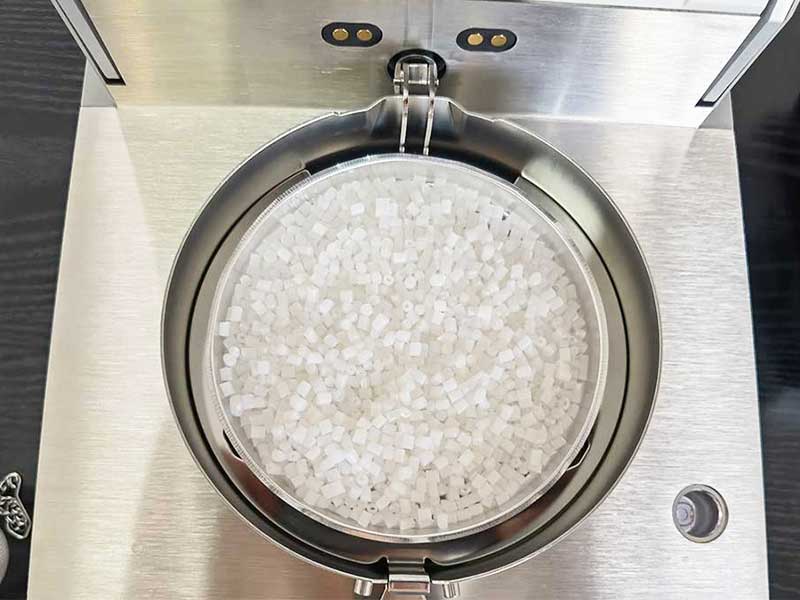
- Meltblown Filters: Meltblown filters, on the other hand, are constructed using a completely different process. They start as thermoplastic resin pellets, which are then melted and extruded through a set of fine nozzles. As the molten material exits the nozzles, it encounters high-velocity air streams that stretch and break the material into micro-sized fibers. These fibers are then collected on a moving conveyor to form a web. The resulting web consists of much larger and more irregularly shaped fibers compared to glass fiber filters.
Density and Porosity:
- Glass Fiber Filters: Due to the fine diameter of glass fibers and their densely packed arrangement, glass fiber filters tend to have a high density and low porosity. This characteristic contributes to their exceptional particle-capturing capability but can also result in higher air resistance.
- Meltblown Filters: Meltblown filters generally have a lower density and higher porosity compared to glass fiber filters. The larger, irregularly shaped fibers create a more open structure. This increased porosity allows for higher airflow rates but can impact filtration efficiency, especially for smaller particles.

Filter Thickness and Weight:
- Glass Fiber Filters: Glass fiber filters are often thicker and heavier than meltblown filters. Their thickness is a result of the densely packed fine fibers.
- Meltblown Filters: Meltblown filters are thinner and lighter due to their more open structure and larger fiber size. This can make them more suitable for applications where space or weight constraints are a concern.
Flexibility and Handling:
- Glass Fiber Filters: Glass fiber filters can be relatively rigid and fragile due to their fine, brittle fibers. They require careful handling to avoid damage.
- Meltblown Filters: Meltblown filters are typically more flexible and robust, making them easier to handle and install.
Color and Aesthetics:
- Glass Fiber Filters: Glass fiber filters are usually white or off-white in color.
- Meltblown Filters: Meltblown filters can be produced in various colors, providing flexibility in design and aesthetics for certain applications.
Filter Longevity and Maintenance: Meltblown vs Glass Fiber Filters
Filter Life:
- Glass Fiber Filters: Glass fiber filters are known for their relatively long filter life. The fine and densely packed fibers can capture a significant amount of particles before reaching saturation. This longevity is especially advantageous in applications where filter replacement can be challenging or costly.
- Meltblown Filters: Meltblown filters, due to their larger and more open fiber structure, may have a shorter filter life compared to glass fiber filters. The increased porosity can lead to quicker saturation, particularly in environments with high particulate concentrations.
Cleaning Ability:
- Glass Fiber Filters: Glass fiber filters are not typically designed for cleaning or regeneration. Once they reach their particle-holding capacity, they need to be replaced. Attempting to clean them may damage the fine fibers and compromise their filtration efficiency.
- Meltblown Filters: Meltblown filters can vary in their ability to be cleaned or regenerated. Some designs incorporate features that allow for limited cleaning or backwashing to extend their usable life. However, this cleaning process is often less effective than replacing the filter entirely.
Impact of Particle Size:
- Glass Fiber Filters: Glass fiber filters excel at capturing smaller particles and can maintain their efficiency even when loaded with fine particulates. This property can contribute to longer filter life in applications with fine particulate matter.
- Meltblown Filters: Meltblown filters may be more prone to clogging and reduced efficiency when exposed to fine particles. This can impact their ability to operate efficiently over an extended period.
Regeneration Methods:
- Glass Fiber Filters: Glass fiber filters are typically replaced when they reach their capacity. Regeneration methods are not commonly employed due to the risk of damaging the fine fibers.
- Meltblown Filters: Some meltblown filters can be cleaned using backwashing or other regeneration techniques, but the effectiveness varies depending on the specific design and materials used.
Application Considerations:
- Glass Fiber Filters: Glass fiber filters are well-suited for applications where a longer filter life is critical, such as in cleanrooms, laboratories, and HVAC systems. They are particularly effective in capturing fine particles.
- Meltblown Filters: Meltblown filters may be preferred in applications where filter replacement is convenient, and cost-efficiency is a priority. They can offer good performance for applications with larger particulate sizes.
Evaluating Costs: Meltblown vs Glass Fiber Filter Economics
Production Costs:
- Glass Fiber Filters: Glass fiber filters are relatively more expensive to produce. The manufacturing process involves the formation of fine glass fibers and their assembly into a dense filter matrix. The materials and energy required for this process contribute to higher production costs.
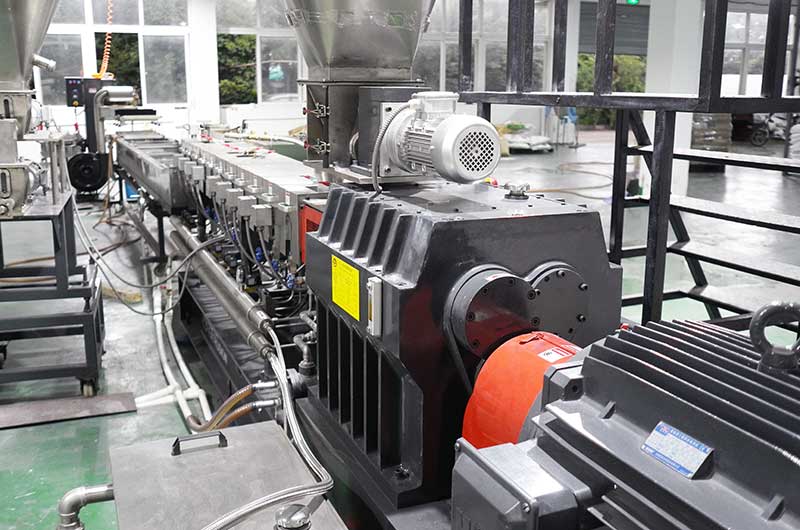
- Meltblown Filters: Meltblown filters are generally more cost-effective to manufacture. The meltblowing process involves extruding polymer materials through fine nozzles, creating a web of randomly laid fibers. This process is more efficient and requires fewer resources compared to glass fiber production.
Material Costs:
- Glass Fiber Filters: The primary material in glass fiber filters is, unsurprisingly, glass. High-quality glass fibers can be costly. Additionally, glass fiber filters may require additional layers or coatings for specific applications, further increasing material costs.
- Meltblown Filters: Meltblown filters primarily use polymer materials, which are often less expensive than glass. The choice of polymer can affect material costs, with some specialty polymers being pricier than others. However, in general, polymer materials are more cost-effective than glass.
Transportation and Handling:
- Glass Fiber Filters: Glass fiber filters can be heavier and more fragile than meltblown filters, which can lead to higher transportation and handling costs. Special care is often required to prevent breakage during shipping and installation.
- Meltblown Filters: Meltblown filters are lightweight and less prone to damage during transportation. This can result in lower shipping and handling costs, especially when dealing with large quantities.
Replacement Costs:
- Glass Fiber Filters: While glass fiber filters have a longer filter life, they eventually require replacement. The costs associated with replacing glass fiber filters, including labor and disposal fees, should be factored into the overall cost of ownership.
- Meltblown Filters: Meltblown filters may have a shorter filter life but are typically less expensive to replace. However, the more frequent replacement intervals can impact long-term costs.
Applications Explored: Meltblown vs Glass Fiber Filters
Glass Fiber Filters:
- Cleanrooms: Glass fiber filters are commonly used in cleanrooms, where maintaining extremely high air quality and particle-free environments is critical. Their exceptional filtration efficiency makes them suitable for capturing sub-micron particles and maintaining stringent air cleanliness standards.
- Pharmaceutical Industry: Glass fiber filters play a crucial role in pharmaceutical manufacturing. They are used to ensure sterile conditions by filtering out contaminants and particles in various processes.
- Laboratories: Laboratories, especially those conducting sensitive experiments or analyses, rely on glass fiber filters for air and liquid filtration. They help maintain precise conditions and prevent contamination.
- Medical Applications: Glass fiber filters are used in medical devices and equipment where air and liquid purity are essential. This includes respiratory devices, drug delivery systems, and diagnostic equipment.
- Aerospace Industry: In aerospace applications, such as aircraft cabin air filtration and spacecraft environments, glass fiber filters are used to maintain clean air and prevent particle contamination.
Meltblown Filters:
- HVAC Systems: Meltblown filters are commonly found in heating, ventilation, and air conditioning (HVAC) systems. They effectively capture larger airborne particles like dust, pollen, and pet dander, improving indoor air quality.
- Industrial Filtration: Meltblown filters are used in various industrial settings, including manufacturing facilities and production lines. They help control air quality and remove larger contaminants.
- Residential Filtration: Many residential air purifiers and furnace filters use meltblown filters to improve air quality in homes. These filters are cost-effective and suitable for everyday filtration needs.
- Automotive Air Filtration: Meltblown filters are used in automotive cabin air filters to trap particles from outside air, ensuring cleaner air inside the vehicle.
- Water Filtration: Meltblown filters are also used in water filtration systems. They can remove sediment, particulate matter, and impurities from water sources.

Eco-Friendly Filtration: Meltblown vs Glass Fiber Impact
Glass Fiber Filters:
- Energy-Intensive Production: Glass fiber filters are manufactured through energy-intensive processes, including high-temperature melting of glass and fiber formation. This production process consumes significant energy resources.
- Non-Biodegradable: Glass fiber filters are non-biodegradable, meaning they do not break down naturally over time. Disposed glass fiber filters can contribute to long-term waste accumulation in landfills.
- Resource-Intensive: Producing glass fiber involves extracting and processing raw materials like sand, soda ash, and limestone. This extraction of natural resources can have environmental impacts.
- Emission of Particulate Matter: The manufacturing of glass fiber filters can release particulate matter and emissions, potentially affecting air quality in proximity to production facilities.
Meltblown Filters:
- Energy-Efficient Production: Meltblown filters are generally considered more energy-efficient to manufacture compared to glass fiber filters. The meltblowing process requires less energy, contributing to a reduced carbon footprint.
- Recyclable Materials: Many meltblown filters use polypropylene, a recyclable plastic. This means that, in some cases, used meltblown filters can be recycled or repurposed rather than disposed of as waste.
- Less Resource-Intensive: Meltblown filters typically use fewer raw materials in their production compared to glass fiber filters, which rely on glass as the primary material.
- Reduced Emissions: The meltblowing process typically generates fewer emissions and particulate matter compared to the production of glass fiber filters, resulting in a smaller environmental footprint.

Meltblown Filters: A Contender for Glass Fiber in Industries
Automotive Industry:
- Air Filtration: Meltblown filters have the potential to replace glass fiber filters in automotive cabin air filtration systems. They can provide comparable or better air quality while being more cost-effective and easier to install.
Healthcare Industry:
- Medical Filtration: Meltblown nonwovens have already found extensive use in medical applications like face masks and surgical gowns. They are an alternative to glass fiber-based materials, offering good filtration efficiency and comfort.
Aerospace Industry:
- Cabin Air Filtration: In commercial aircraft, meltblown filters could be employed for cabin air filtration. They can effectively remove particulate matter and maintain air quality during flights.
Industrial Filtration:
- Dust Collection: Meltblown filters are suitable for industrial dust collection systems. They can replace glass fiber filters in baghouses and dust collectors, offering efficient particle capture and ease of maintenance.
HVAC Systems:
- Commercial Buildings: Meltblown filters may replace glass fiber filters in HVAC systems of commercial buildings. They can offer comparable air quality and reduce maintenance costs.
Water Filtration:
- Residential Water Filters: Meltblown filters can be used in residential water filtration systems, potentially replacing glass fiber filters. They are cost-effective and efficient at removing contaminants.
Pool Filtration:
- Pool Filtration Systems: Meltblown pool filter cartridges have been developed as alternatives to traditional glass fiber filters. They offer good filtration performance and can be cleaned and reused.
Environmental Considerations:
- Sustainability: Meltblown filters are often considered more environmentally friendly due to their energy-efficient manufacturing process and recyclable materials. This can make them an attractive choice in industries seeking sustainable solutions.
Cost Considerations:
- Cost Savings: In many cases, meltblown filters are more cost-effective than glass fiber filters, making them an appealing option for industries looking to reduce operating expenses.
Performance Requirements:
- Specific Applications: The potential for meltblown nonwovens filters to replace glass fiber filters depends on the specific performance requirements of each industry. Factors like filtration efficiency, pressure drop, and service life must be carefully considered.
Selection Considerations and Conclusion: Making the Right Choice for Your Filtration Needs
As you navigate the diverse landscape of filtration materials, it becomes evident that both glass fiber and meltblown filters have their distinct strengths and applications. The choice between the two should align closely with the unique requirements of your specific industry and the task at hand.
Filtration Efficiency:
The filtration efficiency of both glass fiber and meltblown filters has made significant strides, with the latter now capable of achieving a remarkable 99.99% efficiency. This shift signifies a significant leap in the potential of meltblown filters to replace glass fiber in various industries.
Physical Differences and Filter Life:
The physical disparities between these filters extend to their performance, handling, and applicability. Delve into these nuances to determine the best fit for your filtration needs. Consider factors like particle size, maintenance convenience, and overall cost-effectiveness. The decision-making process should include both upfront expenses and long-term maintenance considerations.
Cost and Hybrid Solutions:
A thorough cost analysis, encompassing initial acquisition and total ownership expenses, plays a pivotal role in your choice. Remember that in some cases, a hybrid approach may offer the ideal solution. By combining both glass fiber and meltblown filters, you can maximize filtration efficiency while maintaining cost-efficiency.
Different Environmental Impacts:
Environmental considerations are increasingly significant. When choosing between these filters, assess factors such as energy consumption, recyclability, and emissions. Explore recycling programs and sustainable disposal options, as they can further reduce the environmental footprint of your filtration system.
Applications Vary:
Lastly, remember that the choice between glass fiber and meltblown filters should be dictated by your specific application. Glass fiber filters excel in settings where ultra-fine filtration efficiency is crucial, such as cleanrooms and laboratories. On the other hand, meltblown filters shine in applications where handling larger particles efficiently and cost-effectively is a priority, including HVAC systems and industrial processes.
In conclusion, the filtration industry is undergoing a significant transformation. Meltblown filters, once considered less efficient, are now challenging the dominance of glass fiber filters. By weighing factors like filtration efficiency, cost, environmental impact, and application-specific requirements, you can make an informed decision. As technology continues to evolve and environmental sustainability gains prominence, the potential for meltblown filters to replace glass fiber filters across various industries is indeed promising.