
Abstract
Water electret masterbatch is a novel type of electret masterbatch that is added to polypropylene (PP) material to produce melt-blown nonwovens. In the process of producing melt-blown nonwovens, high-pressure water would be injected through the non-woven fabrics, and the fibers in fabric and water friction generate charges. After drying, the charges are firmly locked in the nonwoven fibers. It’s an additive and agent material.
In this article we try to introduce to you what is it and why it is good. Let’s dive in.
FYI: For easier reading and writing, we will make WEMB stands for water electret masterbatch, and EMB stands for electret masterbath handily.
Intro: why do N95 masks work?
Since the 2020 pandemic, whether you have used it or not, I believe you have heard of N95 masks. We always heard suggestions that we should wear masks in social spaces to insulate our respiratory system as much as possible from viruses in the environment. And of those many mysterious masks, N95 was always considered the best choice while it was wrong because there were better N99 masks than N95. But let’s put that aside and ask instead: Do you know why N95 masks are effective at filtering viruses? And how does it work?
N95 masks
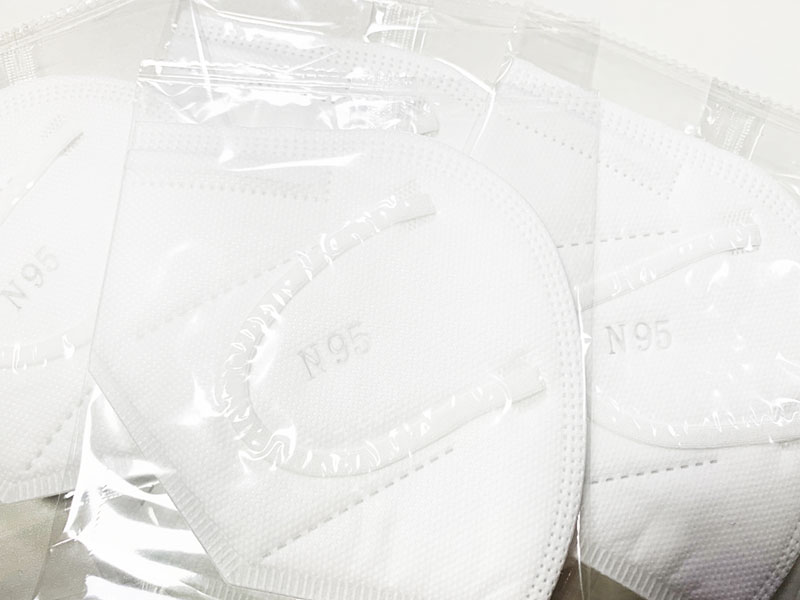
N95 masks are commonly used in healthcare settings to protect healthcare workers from exposure to infectious diseases. They are also used in industrial settings to protect workers from exposure to dust, fumes, and other airborne hazards. So what are N95 masks?
They are respiratory protection device that effectively filters out at least 95% of all airborne particles larger than 0.3 microns, including dust, pollen, mold spores, bacteria and viruses. They are made of a meltblown nonwoven fabric that has been electrostatically charged. By using a combination of mechanical filtration and electrostatic attraction that nonwoven fabric helps to attract and trap particles.
Obviously, the key is the magic fabric.
Meltblown nonwovens
I guess you haven’t done this before, so let me cut open the N95 mask and get the meltblown nonwoven out. Look at the photo below, the red arrow shows where the meltblown nonwoven fabric is.
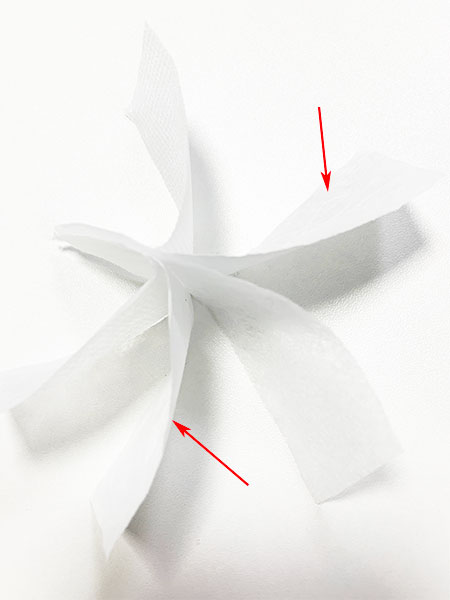
What are meltblown nonwovens? They are a type of fabric made by melting and then extruding a polypropylene polymer through a series of tiny holes. The resulting fibers are then randomly deposited on a surface, creating a nonwoven fabric. Meltblown nonwovens are known for their high porosity, which makes them ideal for a variety of applications, including: air filtration, personal protective equipment, medical products and more.
The meltblown nonwovens in N95 masks are the barrier that helps filter airborne particles. And, amazingly, this defensive barrier provides not only a physical barrier, but also an electronic barrier.
How meltblown nonwovens work
The physical barrier
The physical barrier is the meltblown nonwoven fabric itself. The meltblown process creates a web of ultrafine fibers that are bonded together to form a dense, porous material, it’s difficult for particles to pass through. Technically, there are three factors that affect the effectiveness of this barrier: pore size, porosity and dust holding capacity. Let’s keep diving in.
The pore size
Remember what we mentioned above: The resulting fibers are then randomly deposited on a surface, creating a nonwoven fabric? Those small fibers that randomly arranged in the fabric create pores. And what are pores? A pore is a small opening between the fibers in a fabric through which clean air can pass easily but larger sized dust cannot. Here, you can immediately deduce that the size and distribution of pores in meltblown nonwovens has a significant impact on the properties of the fabric.
From the following 50 µm SEM image, we can clearly see the distribution of fibers and the distribution of pores formed between fibers. This is the structure of meltblown nonwoven in microscopic view.

Now think about this question: How many pores are there in a meltblown nonwoven? Are the more pores the better quality or the fewer pores the better? The answer is many, and better. But, wait, how do people describe those many, many pores on the meltblown nonwoven fabric? And why is more pores a good thing?
The porosity
Porosity, a measure of the void spaces, is the percentage of the volume of a meltblown nonwoven fabric (in our case) that is made up of pores. Porosity is an important property of meltblown nonwovens because it affects the fabric’s ability to absorb liquids, filter particles, and allow air to flow through it. Thus, it can be clearly concluded that meltblown nonwovens with a high porosity will have a higher filtration capacity than fabrics with low porosity.
Considering pore size and porosity together, we will find that both of them directly affect the filtration capacity of meltblown nonwovens. For example, a fabric with a small pore size and a high porosity will be more effective at filtering out small particles. A fabric with a large pore size and a low porosity will be more breathable and allow more air to flow through it.
So in the end, the pores of the meltblown nonwoven ultimately create a physical barrier for the mask to prevent particles from passing through; and the porosity of the melt-blown non-woven fabric provides the smooth passage of the air in the mask for breathing. They are important parameters to evaluate the quality of the physical barrier.
Is this the end of the story? Not really. Now think about this: what if all the pores are clogged with dust or viruses? Dirty? Out of breath? It’s true, but we are not talking about that. Let’s go on.
Dust holding capacity
Dust holding capacity, the ability of a fabric to retain particles before it becomes clogged, is an important property for nonwoven fabrics used in air filtration applications, as it determines how long the fabric can be used before it needs to be replaced. So what if the dust holding capacity is dead? Replace the equipment for sure.
Pore size, porosity and dust holding capacity, we have talked a lot about the physical barrier of a mask, but where does the water electret masterbatch, the key point of this article, work? Hold on, let’s learn about the electrostatic barrier.
The electrostatic barrier
The electrostatic barrier is created by the static charge in the meltblown nonwoven fibers. These fibers are typically made of polypropylene polymer, which is a material that is easily polarized. There are many different processes used to charge fibers, but some of the most common methods include corona discharge, electrospray ionization, and friction charging. Due to the mature technology and low cost, traditional meltblown nonwovens produced with electret masterbatch as additives generally use the corona discharge method to generate electrostatic charges. Meanwhile, the water electret masterbatch we describe in this paper generates electrostatic charge by friction charging.
After charging, the fiber carries positive charges, and these positive charges on the fabric help attract and capture smaller particles such as dust, smoke, pollen and viruses that can easily pass through physical barriers, further reducing the number of particles that can pass through the mask. These positive charges create the electrostatic barrier for the mask, which is an important part of N95 masks, and this barrier makes N95 masks so effective at filtering out airborne particles. Without the electrostatic barrier, N95 masks would not be able to filter out as many particles.
In contrast, the pore size of a physical barrier is typically 10 to 15 microns, but the standard for N95 is to filter out 95% of particles greater than or equal to 3 microns. So you can know that the main role of filtering particles from 3 to 10 microns is this electrostatic barrier.
So far, we have basically understood the filtering mechanism of N95 masks. Now, finally, let’s talk about the magical role played by our protagonist – electret masterbatch – in this process.
Electret masterbatch
To learn about water electret masterbatch, let’s begin with electret masterbatch. What is masterbatch? What is electret? And What is electret masterbatch?
Masterbatch
Masterbatch refers to a concentrated mixture of additives, pigments, or dyes that are incorporated into a polymer carrier material, which consists of carrier resin, various fillers and various additives. It is commonly used in the plastics industry to introduce specific properties or colors to the final plastic product during the manufacturing process. It is a plastic processing aid developed in the 1980’s.
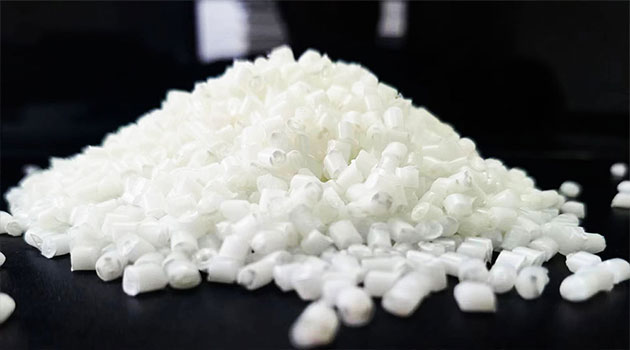
The masterbatches have a granular appearance. These granules are made by mixing the required additives and fillers with a small amount of carrier resin in the process of plastic processing and molding for operational convenience, and then measuring, mixing, melting, extruding and cutting the granules through extruders and other equipment.
The limit of additives or filler content in masterbatch is several times to more than ten times higher than what is needed in actual plastic products. Therefore, during the molding process, the ratio of the masterbatch to the base resin must be adjusted according to the content of the relevant components in the masterbatch and the amount needed to be added to the actual product.
Masterbatches can usually be divided into general filler masterbatches and functional masterbatches, such as color masterbatches, anti-fogging masterbatches, etc. Electret masterbatch is a kind of functional masterbatch.
Electret
Electret is a dielectric material that possesses a permanent electric charge or polarization. Similar to a permanent magnet but it carries an electrical charge instead of a magnetic field. The charge in an electret is usually trapped or fixed within the material, allowing it to retain its polarization over long periods. Electrets are commonly used in various applications, including electrostatic precipitation, microphones, speakers, air filtration, and more. They play a crucial role in capturing and manipulating electric charges for specific purposes.
Remember that electrostatic barrier we mentioned above? And here we finally come to a material that traps electrostatic charges, which is commonly used in the air filtration industry. Sounds like we’re almost there, so let’s keep diving in.
Electret masterbatch
What is electret masterbatch? From the above description, you can literally see that this is an additive that traps permanent static electricity for plastics.
EMB is a specialized type of masterbatch used in the manufacturing of polymer materials, particularly in the context of meltblown nonwovens. It is based on polypropylene resin with ultra-high melt index and can effectively improve the short-term storage capacity of meltblown nonwovens. It can increase the retention of the applied electrical charges in the nonwoven fabric, which increases filtration efficiency through the electrostatically charged fibers capturing particulates by electrostatic attraction. It is designed to enhance the electrical properties of the material by introducing and retaining electric charges.
EMB based meltblown nonwovens are typically charged using the corona discharge method. This corona discharge method with mature technology and low cost is to pass the meltblown nonwoven fabrics through a high-voltage electric field to generate and capture charges in the electret masterbatches.
As we mentioned, the electrostatic barrier is created by static charges in the meltblown nonwoven fibers, but where do these static charges come from? They come with the help of electret masterbatches. The incorporation of EMB into the meltblown nonwoven production process allows the material to acquire and retain electric charges. These electric charges create an electrostatic field within the nonwoven material, which attracts and captures particles as they pass through the fabric. This electrostatic attraction enhances the filtration efficiency of the nonwoven fabric, enabling it to effectively trap and remove airborne particles, including dust and viruses, from the air passing through it.
By adding electret masterbatches to the meltblown nonwoven material and charge them, the filtration capacity of the fabric is significantly improved. This is why EMB is widely used in the production of meltblown nonwovens for applications such as air filtration, where high filtration efficiency is crucial for protecting against airborne contaminants.
So why are we discussing a product called water electret masterbatch instead of electret masterbatch in this article? Since WEMB is a novel and better kind of electret masterbatch, it provides better properties and the meltblown nonwoven products made from it have higher and more consistent product quality. (Or, since we manufacture and sell water electret masterbatch, lol, contact us, NAVIGATOR/site: wemb.cc, if you’re interested.)
Water Electret masterbatch
What is Water electret masterbatch? WEMB is a special type of electret masterbatch that uses water-based electret charging technology to create materials with enhanced electret properties, especially in the field of meltblown nonwovens used for air filtration purposes.
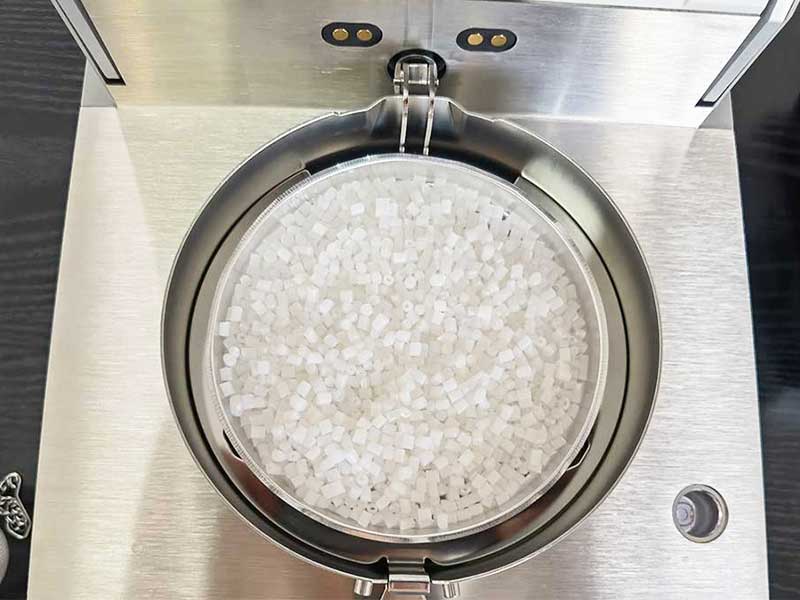
Different from corona discharge, in the production process of WEMB based meltblown nonwovens, deionized water is injected under high pressure to cause friction between the water and the fibers, so that the fibers are charged with static electricity. After charging, the meltblown nonwoven fabric would be dried with hot air to complete the production. It’s called water electret charging method.
As you can see, it is the difference in charging method that clearly distinguishes between WEMB and EMB. Meanwhile, thanks to the water electret charging method, meltblown nonwovens based on WEMB have gained new and better properties than EMB based meltblown nonwovens.
Great improvements of Water Electret Masterbatch
In the water electret charging process, high-speed water flow and friction between the water and the fibers generate charges. These charges are more easily captured by high-potential interface traps within the material, forming so-called deep trap charges. These charges are trapped inside fibers, unlike the charges obtained by corona charging which are only exist on the surface of fibers. These deep trap charges bring great improvments to the final meltblown nonwovens.
Stable and Robust Charge Storage
It is important to clarify how the charges on the surface of the fibers and the deep trap charges within the material behave.
During the hot air drying process, the fabric is exposed to elevated temperatures to remove moisture and dry it. This exposure to heat can lead to the escape of charges from the fiber surface. However, the deep trap charges, which are strongly bound within the material, are less affected by the hot air drying process. These deep trap charges are more stable and have a slower charge decay rate compared to the surface charges.
Therefore, while the surface charges may escape during hot air drying process, the deep trap charges remain relatively intact and provide the stable charge storage in the material. This means that even after the drying process, the meltblown nonwoven fabric retains a significant portion of its electrostatic properties and charge stability, resulting in better charge stability.
Improved Filtration Efficiency
Test reports show that the filtration efficiency of meltblown nonwovens has increased from around 96% (EMB based meltblown nonwovens) to over 99% (WEMB based meltblown nonwovens). But why?
The improved filtration efficiency of water electret masterbatch based meltblown nonwovens is a result of several factors.
Firstly, the presence of deep trap charges within the material enhances the electrostatic barrier mechanism. The deep trap charges effectively trap and capture particles, improving the filtration performance of the fabric.
Secondly, the unique fiber structure and porosity of WEMB based meltblown nonwovens contribute to their improved filtration efficiency. The high pressure water electret charging process and the resulting fiber structure lead to higher porosity and larger pore sizes, allowing for better particle capture and filtration.
Thirdly, WEMB based meltblown nonwovens also exhibit enhanced dust holding capacity. The dust holding capacity refers to the ability of the fabric to accumulate and retain dust particles over time without significant loss in filtration performance.
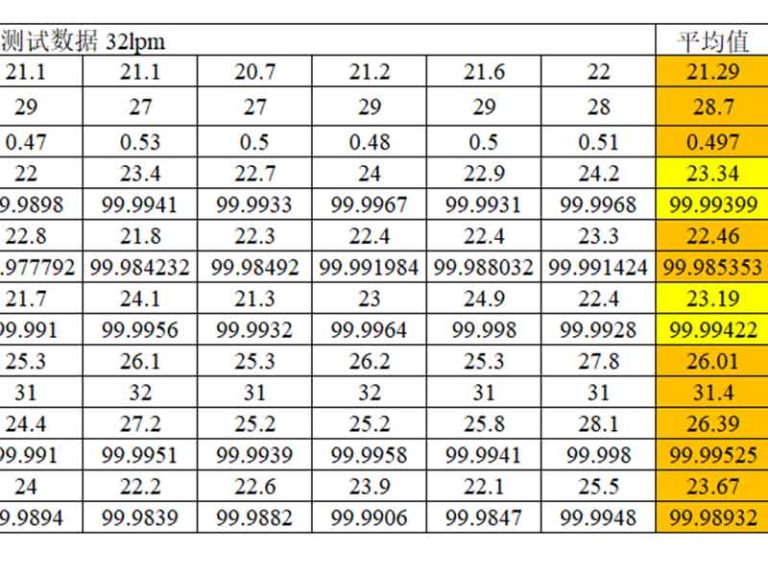
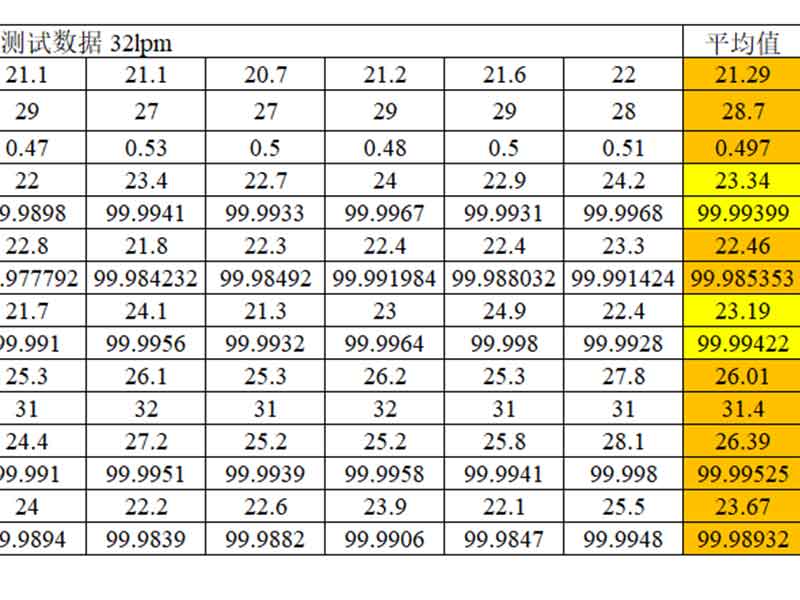
The filtration efficiency is over 99% (customer’s test data shows that the filtration efficiency of meltblown nonwovens made with our EP-6 WEMB was over 99.98%), this means that the lower cost H13 level air filtration efficiency has become a reality, and it also means the lower cost N99 mask has become a reality.
Lower airflow resistance
The high pressure and high speed water flow used in the production process helps to stretch and attenuate the fibers, resulting in finer and thinner fibers. This leads to the formation of a nonwoven material with larger pore size and increased porosity. This means larger voids or pores, which means more open space between the fibers for airflow to pass through.
WEMB-based meltblown nonwovens have low air resistance properties that help improve performance in various applications. In air filtration systems, for example, it ensures smooth air flow through the fabric, resulting in efficient filtration while maintaining adequate airflow. This is particularly beneficial for face masks, where smooth breathing is critical to user comfort.
Customer’s test data shows that the air resistance of meltblown nonwovens made with our EP-6 is just about 23 Pa at 32 L/Min. Amazing.
Longer storage Life
This property can be attributed to the enhanced charge stability provided by the water electret charging technology. Compared to traditional corona discharged meltblown nonwovens, WEMB based meltblown nonwovens exhibit improved charge retention over time.
Those deep trap charges we mentioned above are more strongly bound within the fabric, resulting in slower charge decay and improved longevity. This allows the fabric to be less affected by external factors such as temperature and humidity that can cause the charge to decay.
Insensitive to temperature and humidity, WEMB based meltblown nonwovens can keep their filtration performance and efficiency for a longer duration. Compared to EMB based meltblown nonwovens, the effective storage time can be increased from 2.5 years to almost 10 years. It is so impressive. This extended storage life is advantageous in applications where long-term filtration effectiveness is desired, such as air filters or masks that stored as public health reserve materials.
Overall, this novel water electret masterbatch material provides a better choice for the air filtration industry. You can find more detailed information in post: Benefits of Water Electret Masterbatch.
Quick Comparisons
| Terms / Type | EMB | WEMB |
|---|---|---|
| Filtration efficiency | ≈96% | >99% |
| Storage life | ≈2.5 year | ≈10 year |
| High temperature performance | – | More better |
| High Humidity Performance | – | Better |
| Breathability | – | Better |
| Dust Holding Capacity | – | Better |
| H13 level air filtration efficiency | No | Yes |
| Suitable for N99 masks | No | Yes |
Challenges in switching to Water Electret Masterbatch
Although WEMB is great, there are still challenges if you want to convert your EMB based meltblown nonwoven production line to a WEMB-based meltblown nonwoven line. Among these challenges, the main one comes from the financial side: the investment in equipment.
Converting to WEMB based production line typically requires requires the purchase or modification of equipments for the new manufacturing process. This investment can be huge, depending on the quality of the product you want to achieve and the scale of the line you want to build.
The most important strategy for minimizing investment is to modify the equipments to accommodate the new production process. Customers often modify their production lines to accommodate new production processes. But then you also face some challenges as follows:
R&D and testing: Implementing a new technology like WEMB involves research and development to optimize the process and ensure compatibility with existing equipment. Testing and validation are necessary to ensure the quality and performance of the WEMB based meltblown nonwovens meet industry standards and customer requirements. Of course, this is already a mature process, so don’t get too nervous, your equipment supplier can help.
Training and retraining: Introducing a new manufacturing process require additional training for workers to familiarize themselves with the technology and ensure proper handling and operation, which is especially important for the best quality WEMB based meltblown nonwovens. Retraining existing staff or hiring new personnel with the necessary expertise can add to the overall costs.
Supply chain adjustments: Transitioning to WEMB based meltblown nonwovens require adjustments in the supply chain, including sourcing materials specific to the water electret charging process ( And most importantly, we are NAVIGATOR / Website: wemb.cc, the best water electret masterbatch supplier for you, my friend). This can affect the cost and availability of materials and may require establishing new supplier relationships.
And lastly, perhaps the most important and decisive challenge, the market acceptance and customer demand: Shifting to a new technology may involve market education and promotion to generate awareness and demand for WEMB based meltblown nonwovens. Building customer confidence and acceptance of the new product may take time and effort.
But If you are planning to enter the higher-end market, or if your customers have a need for H13 rated air filtration products or have a need for N99 masks, a WEMB based production line is the best choice for your future business.
Summary
WEMB is a new type of electret masterbatch material. Through the water electret charging technology, the produced melt-blown non-woven fabric can achieve an unprecedented air filtration efficiency of more than 99.9% and an effective storage period of up to 10 years.
However, the production line used to produce EMB based meltblown nonwovens cannot be directly used to produce WEMB based meltblown nonwovens. New production lines need to be purchased or existing ones modified. New investments require manufacturers to conduct their own market research, assessment and decision making.
But the advances we’ve mentioned in this article, those advances offered by this WEMB material are promising for applications that require long-lasting and high-efficiency air filtration, such as N95 and N99 masks.
The air filtration industry will continue to improve over time, and WEMB is an important improvement for the industry and the future. If you want to keep up with the progress of the industry, please start your own improvement right away. We are NAVIGATOR, your best water electret masterbatch supplier.
Get your free Water Electret Masterbatch samples
If you want free samples of our products, please follow our simple and easy rules. Please check it out clearly in our Free Sample page. Thank you.
Let’s start our journey.