Respirators are essential personal protective equipment for certain workplaces and high-risk environments. However, the myriad of labeling standards like N95, KN95, FFP2 can create confusion for consumers. This article provides a simplified guide to the most common respirator certification systems.
We explain the key organizations involved in respirator standards such as NIOSH, GB standards, and EN. The filtration efficiency levels of respirator ratings are compared, including N95/FFP2/KN95, N99/FFP3/KN99, and N100/KN100. Design, breathability, quality control, and intended use cases are also contrasted between standards.
The goal of this straightforward reference is to demystify respiratory protection for the layperson. With clear knowledge of the certification systems, readers can better select appropriate rated respirators for their specific risks and needs. We hope to empower readers to make informed choices when purchasing these vital protective masks. This article will focus on the major international standards for respirator certification and performance.
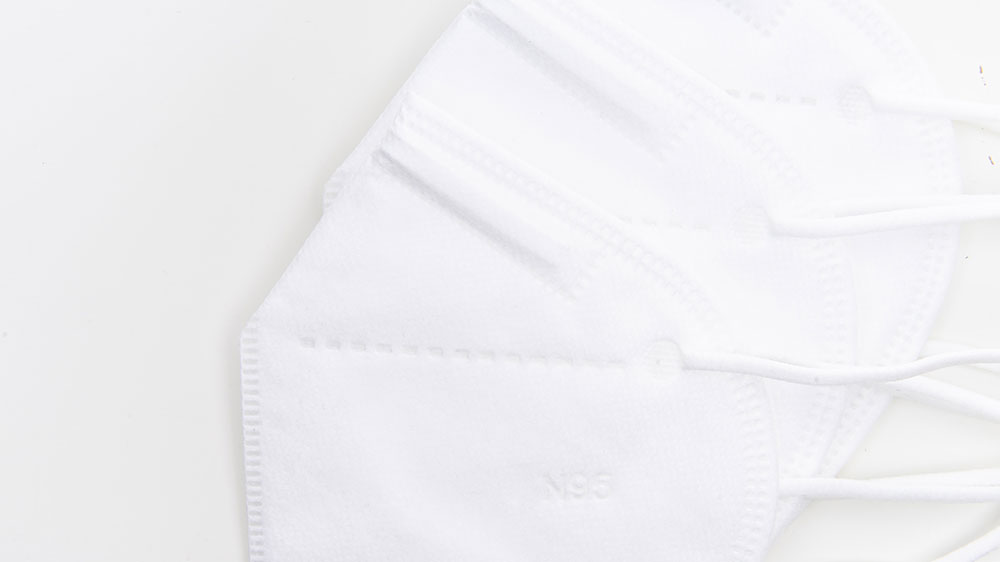
A Brief Overview Explaining Respirators and Different Rating Systems
Respirators are protective masks designed to filter airborne particles and prevent transmission of infectious diseases. They provide significantly higher filtration compared to cloth or surgical masks.
When selecting any mask, filtration efficiency is a key factor determining effectiveness. Cloth masks filter only 10-40% of small particles. Single use disposable masks perform slightly better at 40-60% filtration. Surgical masks are better again at 60-80% filtration. To be more simply and understandably, the hierarchy for different mask types is generally: Cloth masks < Single use masks < Surgical masks < Respirators.
But certified respirators are in a different league. Tested against stringent standards, they filter at least 95% of small particles. Some specialized respirators filter 99% or more.
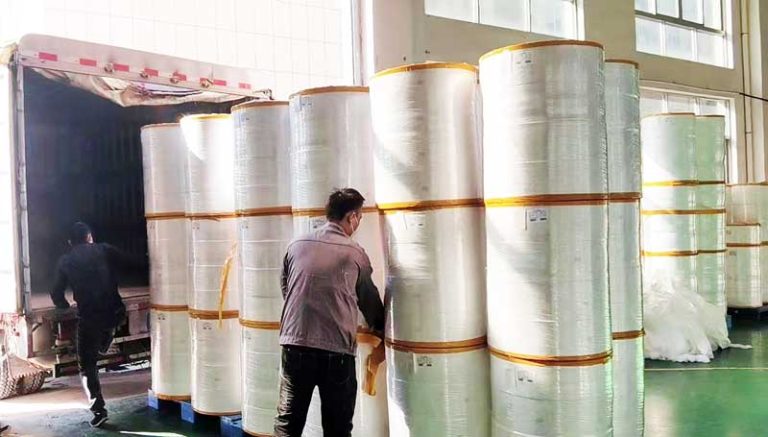
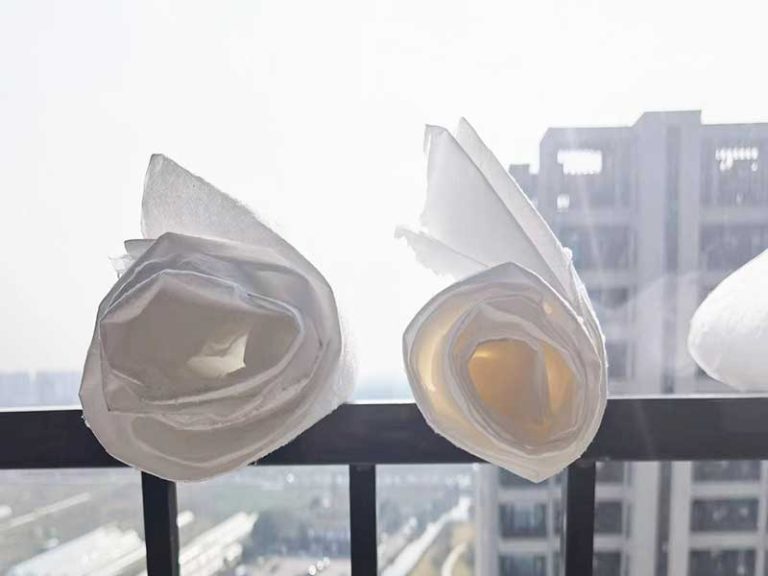
This superior performance comes from advanced materials like meltblown fabric. Optimizing the filtration efficiency of meltblown nonwovens is crucial for manufacturing high quality respirators.
Given the critical importance of respirators for protecting frontline workers and vulnerable populations, this article will provide a quick look at the major respirator standards: N95, KN95, FFP2, and more. Understanding the certification levels and differences allows informed selection of effective respiratory protection.
The focus will be a clear, concise overview of key standards and performance criteria. For those seeking a deeper technical understanding, scientific literature is referenced. But the goal is a quick reference guide for the layperson on the most common respirator ratings.
Understanding Respirator Rating Systems
There are three major standards organizations that certify and regulate respirators globally:
- NIOSH – The National Institute for Occupational Safety and Health is a U.S. federal agency that regulates protective equipment like respirators. NIOSH standards and certification are recognized internationally.
- GB Standards – These Technical Committees of the Standardization Administration of China (SAC) develop standards for products made in China. GB standards regulate PPE items including Chinese-certified respirators.
- EN Standards – The European Committee for Standardization (CEN) manages EN safety standards. EN 149 specifically covers respirator performance requirements and testing in the EU.
These agencies have established rigorous test methods and performance criteria for certifying respirators. Different rating levels indicate the minimum percentage of tiny airborne particles the respirator filters under testing.
The major classes are:
- NIOSH (NIOSH 42 CFR 84): N95, N99, N100
- GB Standard (GB 2626-2019): KN95, KN99, KN100
- EN Standard (EN 149:2001+A1:2009): FFP1, FFP2, FFP3
Understanding the meaning behind these codes is the first step in selecting proper respiratory protection.
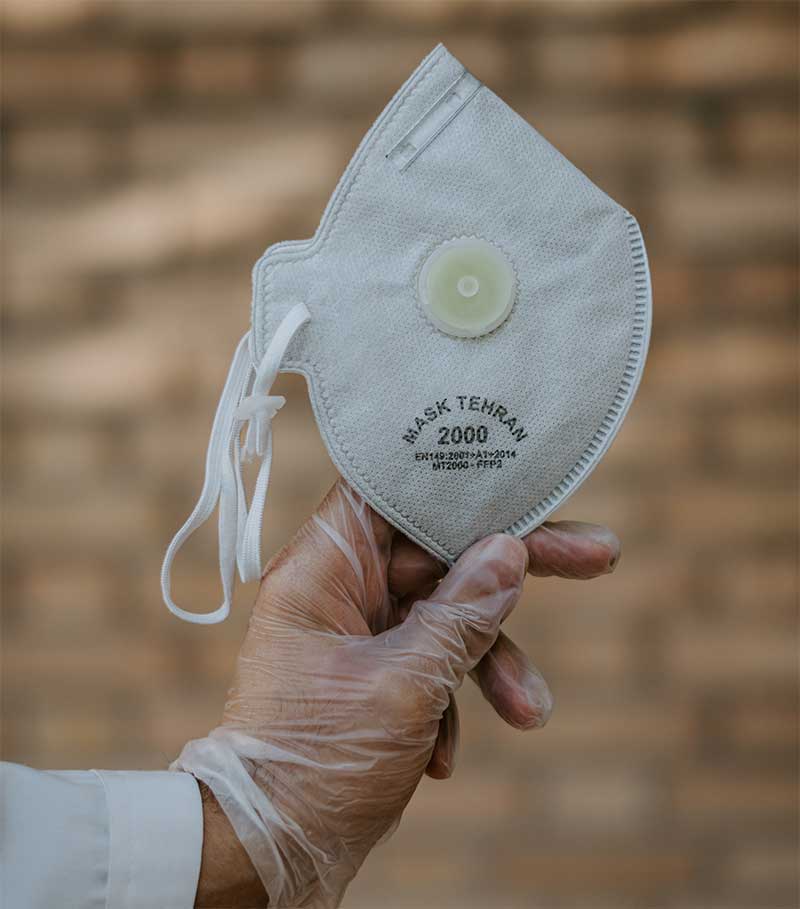
Comparing Different Respirators’ Filtration Performance
Respirator standards have different classes based on the minimum filtration efficiency required. Let’s compare the major rating levels:
N95, KN95, FFP2 Respirators
- Filter at least 95% of particles in specialized lab tests
- Considered the minimum level for adequate protection
- Ideal for lower risk situations and particles up to 0.3 microns
N99, KN99, FFP3 Respirators
- Filter at least 99% of test particles
- Offer protection in higher risk environments
- Helpful against smaller particles like viruses
N100, KN100 Respirators
- Filter 99.97% or more of particles down to 0.1 microns
- Maximum protection available from disposable respirators
- Vital for high exposure risks like contagious diseases
While the exact test methods vary, respirators with the same rating achieve essentially equivalent real-world filtration. So N95, KN95, and FFP2 can be considered comparable in terms of protection. Or more simply and understandably, looking at filtration efficiency alone, it’s:
N95 ≈ KN95 ≈ FFP2 < N99 ≈ KN99 ≈ FFP3 < N100 ≈ KN100
You can find more useful details at Comparison of filtration efficiency and respiratory resistance of COVID-19 protective masks by multi-national standards.
However, factors like quality control, fit, and wear impact overall performance. Proper selection, use and disposal are also critical for getting the expected filtration. And we will talk about them later.
Respirator Breathability and Airflow Resistance
While filtration is critical, breathability is also crucial for respirator effectiveness. Excess breathing resistance can make masks uncomfortable to wear and lead to leakage or improper use.
Respirator standards therefore define maximum pressure drop limits during inhaling and exhaling:
- NIOSH 42 CFR 84 has the lowest permitted pressure drops, allowing the most airflow.
- GB 2626-2019 requirements are slightly higher than NIOSH, but still reasonable.
- EN 149:2001+A1:2009 specifies the highest pressure drops, prioritizing filtration over airflow.
What does this mean in practice?
- NIOSH-certified respirators tend to have the least breathing resistance, highest breathability.
- Chinese KN95, KN99 masks have slightly more resistance but are still breathable.
- European FFP2 and FFP3 masks may feel more restrictive to breathe through.
However, all certified respirators have reasonable resistance balancing filtration and wearability. Proper fit is also key for breathability.
In summary, NIOSH respirators offer the “lightest”, most air-permeable feel on average while EN 149 masks tend to be less breathable. But all standards ensure certified respirators don’t severely inhibit airflow and ventilation.
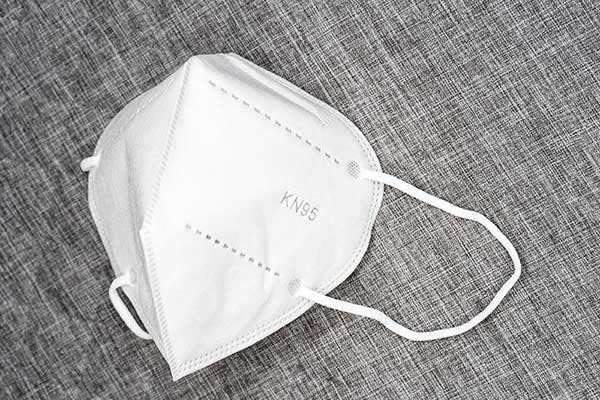
Differences in the Quality of Respirators
While respirator standards have similar filtration criteria, their quality control and oversight requirements can vary:
- NIOSH certified respirators undergo the most rigorous and frequent QA testing to maintain approval. NIOSH also audits manufacturing facilities.
- GB standards do specify quality systems and document review, but enforcement is not as strict as NIOSH protocols.
- EN certified respirators are subject to EU regulatory scrutiny, but the pressure for low costs can sometimes reduce QC.
These differences in quality assurance can impact availability and counterfeiting:
- NIOSH respirators consistently offer the highest quality but are exclusively produced in the US. Supply is limited globally.
- KN95 respirators are readily produced in China but counterfeits without proper certification are common.
- FFP2 respirators are available in the EU but also vulnerable to counterfeiting with inconsistent quality.
Ultimately, you should try to purchase respirators directly from reputable manufacturers. Counterfeit or substandard masks may not offer the stated filtration. Proper fit testing and seal checks remain essential as well.
In summary, while standards have similar filtration ratings, real-world quality can vary. Understanding these challenges allows you to make informed respirator selections.
Useful conclusions: Comparison of Different Respirators
Looking at filtration efficiency alone:
N95 ≈ KN95 ≈ FFP2 < N99 ≈ KN99 ≈ FFP3 < N100 ≈ KN100
But in terms of breathability and comfort based on pressure drop requirements:
N95 > KN95 > FFP2 N99 > KN99 > FFP3
N100 > KN100
So while the standards achieve equivalent levels of filtration performance within each rating category (N95, N99 etc.), the NIOSH 42 CFR 84 requirements allow the most airflow and lowest breathing resistance.
This means NIOSH-certified respirators would be the most comfortable and breathable masks to wear for extended periods, due to the lower pressure drop requirements.
But the differences are not hugely significant. All the standards aim to balance filtration and breathability. Just that NIOSH has the “lightest” breathing requirements.
At this point, you should have a basic understanding of respirators and it’s rating systems. But wait, there’s more you should know.
How To Choose a Respirator
Key Takeaways for Respirator Selection:
In reviewing the major international standards, we can summarize:
Respirators with the same rating (①: N95, KN95, FFP2, ②: N99, KN99, FFP3 and ③: N100, KN100) provide equivalent filtration efficiency, despite using different test methods.
Quality control and manufacturing oversight is most stringent under NIOSH protocols.
NIOSH-certified respirators also have the lowest breathing resistance on average.
When selecting a respirator, consider:
Match the class rating to your anticipated exposure risk level.
Prioritize standard approved respirators where possible for assured quality.
Check labels and documentation to avoid counterfeits.
Follow all fit, seal check, and usage guidelines for maximal protection.
While standards may vary, the filtration rating system allows matching certified respirators to exposure risks. Focus on proper selection, usage, and fit for the rated protection.
Where to buy an N95? Please try here. Sorry we did not find authorized distributors for KN95 and FFP2.
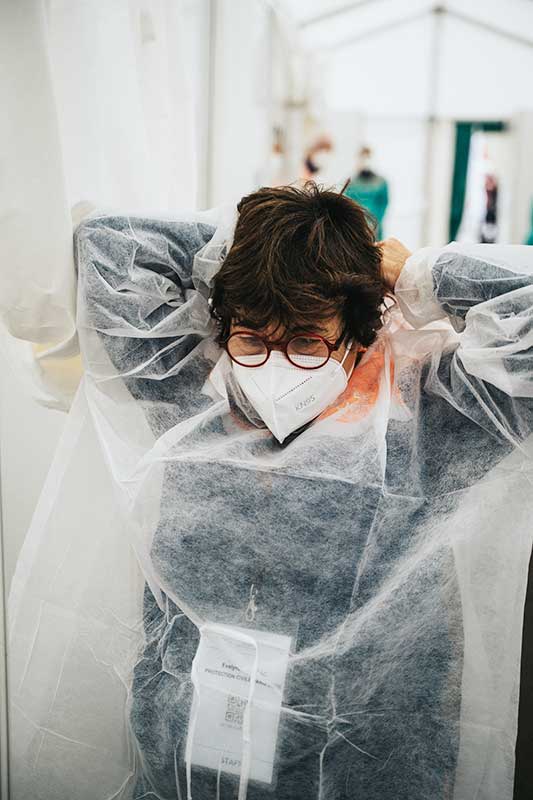
Proper and Effective Use of Respirators
To achieve their rated filtration efficiency, respirators must fit tightly against the face. A proper fit ensures most air is pulled through the filter media rather than leaking around the edges.
Users should always conduct seal checks before entering a contaminated environment. Cover the front of the respirator and inhale gently – the mask should collapse in slightly with no leaks felt around the face seal.
If air leaks are detected, adjust the nosepiece, straps, or get a different size or model for better fit. A clean-shaven face also promotes effective sealing.
Respirator rating levels can guide appropriate selection:
- N95/KN95/FFP2: General tasks, lower risk environments like construction, industry
- N99/KN99/FFP3: Healthcare, disease exposure risk, densely polluted outdoor air
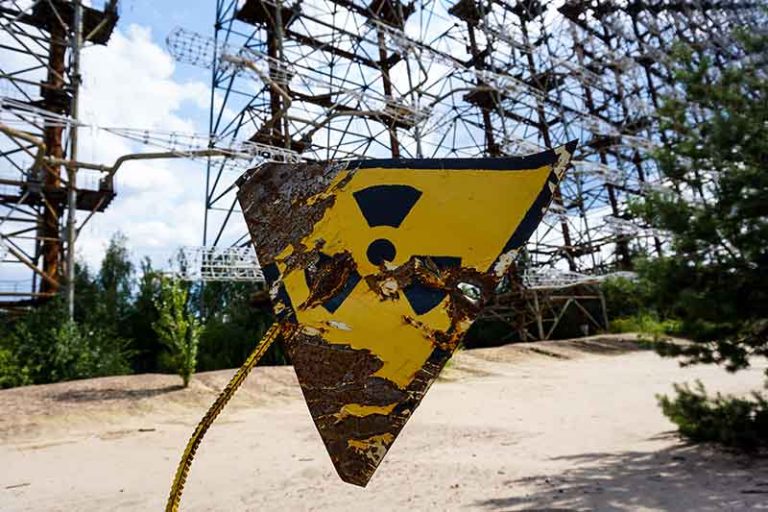
- N100/KN100: Very high hazard like asbestos removal, biohazards, radioactive particles
Finally, proper disposal or disinfection between uses is critical. Fit, sealing, application, and maintenance are just as vital as filtration in realizing the expected protection from any respirator.
After all, you can find more useful details in this Respirator Fact Sheet by CDC.
Guidance on Proper Storage and maintenance to sustain respirator effectiveness
Proper storage, maintenance and inspection promotes good respirator condition and function. Here are some advices:
- Store respirators in a clean, dry area away from dust, chemicals, sunlight and extreme temperatures to avoid damage to the filter media.
- Keep respirators in their original packaging or a resealable plastic bag when not in use. This protects the mask from contamination and deformation.
- Avoid crushing, bending or otherwise distorting the respirator. This can compromise the facepiece seal. Store flat if possible.
- Do not mix used and unused respirators together. Used respirators may contaminate others.
- Follow a regular disinfection routine if reusing respirators. Use recommended disinfectant wipes or sprays compatible with filter media.
- Replace respirators if they become damaged or difficult to breathe through. Do not use beyond recommended shelf life.
- Conduct user seal checks before each use to identify any issues with fit or facepiece defects.
- Exercise and manipulate the nosepiece and straps regularly so they remain flexible and adjustable.
And please always refer to the manufacturer’s care instructions as well.
FAQ

Q: Are KN95 Respirators Approved for Use in Healthcare Settings in the US?
A: Yes, the FDA has issued Emergency Use Authorizations permitting the use of KN95 respirators in healthcare when N95 supplies are limited. KN95s from reputable suppliers can offer comparable protection to N95s.
Q: Are Respirators Reusable?
A: Most disposable N95, KN95 and similar respirators are designed for single use. However, in times of shortage, the CDC recommends limited reuse if the respirator is not damaged or contaminated. Follow workplace/manufacturer guidance. Replace when breathing becomes difficult.
Q: Can I Wash Respirators?
A: Washing disposable respirators is generally not recommended as it can degrade the filter media. Some models with withstand limited washing but refer to CDC and manufacturer guidelines. Take care to not get the filter wet. Oven heating, UV, and disinfectant sprays are preferred.
Q: Can Masks Expire?
A: Yes, respirators can expire and should not be used beyond their shelf life. The expiration date will be printed on packaging or the mask itself. Over time, components like elastic straps may degrade reducing efficacy and fit. Discard expired masks.
Q: How long can I continuously wear an N95 respirator?
A: NIOSH recommends limiting continuous N95 use to 8 hours before replacing the respirator. More frequent replacement may be needed in dusty/humid conditions.
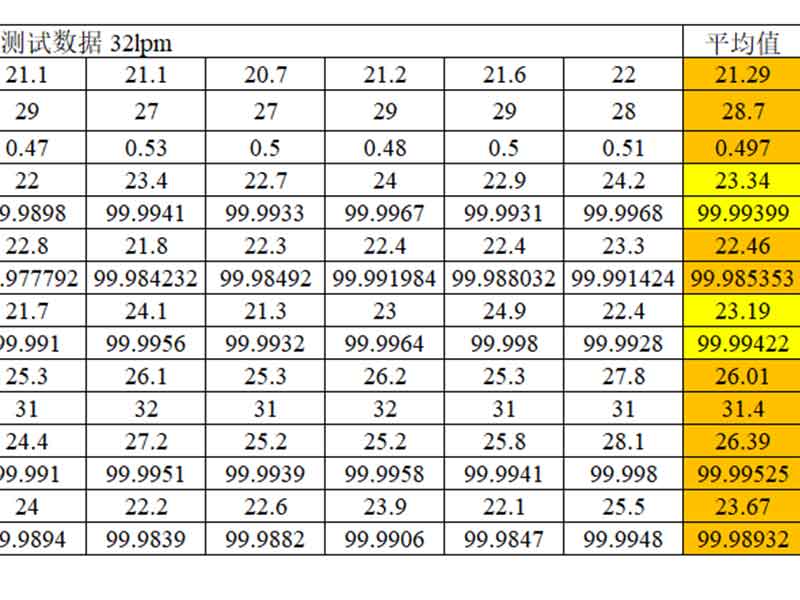
Water Electret Masterbatch and High Quality Respirator
As a manufacturer of advanced water electret masterbatches, we want to empower meltblown producers to create high-quality filtration media that meets certified respirator standards. Our electret additives impart an electrostatic charge to meltblown polypropylene fibers during extrusion, enhancing particle capture efficiency to 99.9% or more, even as air resistance remains low. This allows meltblown nonwovens to achieve the stringent performance criteria for N99 or better rated respirators. If you manufacture meltblown fabrics for respirators and PPE, we offer complimentary 5KG samples of our electret masterbatches for product testing and development. Please contact us to see how our innovations can elevate your filter media to new levels of excellence.