Introduction
Meltblown nonwovens have played a crucial role in various industries, offering exceptional filtration efficiency and versatility. Traditionally, electret meltblown nonwovens have been produced using the corona process, which has its strengths and limitations.
However, with the need for enhanced performance, improved stability, and sustainable solutions, a revolutionary advancement has emerged: water electret meltblown nonwovens.
In this article, we delve into the journey from traditional corona electret meltblown to the innovative water electret meltblown, exploring the improvements, challenges, and the significance of this groundbreaking technology.
For reference, whether it is water electret masterbatch based meltblown nonwovens, WEMB based meltblown nonwovens, water electret charging meltblown nonwovens, WEC meltblown nonwovens or hydro electret charging meltblown, they all refer to water electret meltblown or water electret meltblown nonwovens.
Story Began in 1954: The Amazing Journey of Meltblown Nonwovens
Where It All Began: The Birth of Meltblown Nonwovens
In the year 1954, an intriguing concept called melt blowing thermoplastics emerged onto the stage. It all began with an ambitious mission to collect radioactive particles floating in the upper atmosphere. The U.S. Naval Research Institute embarked on a groundbreaking study, delving into the realms of the air jet spinning method. This pioneering exploration led to the creation of remarkably fine fibers, with diameters measuring less than 5 μm. Little did they know that this remarkable breakthrough would lay the foundation for what we now know as the meltblown nonwoven process.
As the 1970s dawned, a remarkable transformation was about to take place. The torch of melt blowing technology, once confined to its scientific origins, was passed onto civilian hands. Exxon Mobil of the United States spearheaded this transition, bringing the melt-blown nonwovens technology into the realm of industrial production. A new era had begun, and it was marked by rapid advancements in the field.
In that era of industrial prowess, notable companies such as Exxon Mobil, Accurate Products, Biax Fiberfilm, Reifenhauser, 3M, Kimberly-Clark, and Neumag (Nordson) rose to prominence. Each played a vital role in the development and refinement of the melt blown technology, pushing its boundaries and expanding its possibilities.
Through their collective efforts, the once-nascent technology found its footing and forged a path towards unprecedented growth. The industrial landscape was forever changed as melt blowing took center stage, capturing the imagination of manufacturers, innovators, and consumers alike.
As time unfolded, the melt blowing technique underwent a rapid evolution, spawning a diverse range of products that captured the attention of industries worldwide. Recognition, development, and commercial success followed in its wake. The growth of this revolutionary technology can be witnessed in the granting of thousands of patents across the globe over the past 50 years, attesting to its widespread adoption and relentless pursuit of innovation.
The versatility and adaptability of melt blowing knew no bounds. It ventured into new frontiers, finding applications in an ever-expanding array of fields. The journey of melt blowing is a testament to human ingenuity, fuelled by an unyielding passion for pushing the boundaries of possibility. From its humble beginnings to its extraordinary present, the story of meltblown nonwovens is a captivating tale that continues to unfold with every passing day.
Unleashing Endless Possibilities: A Revolutionary Technique and Thousands of Patents
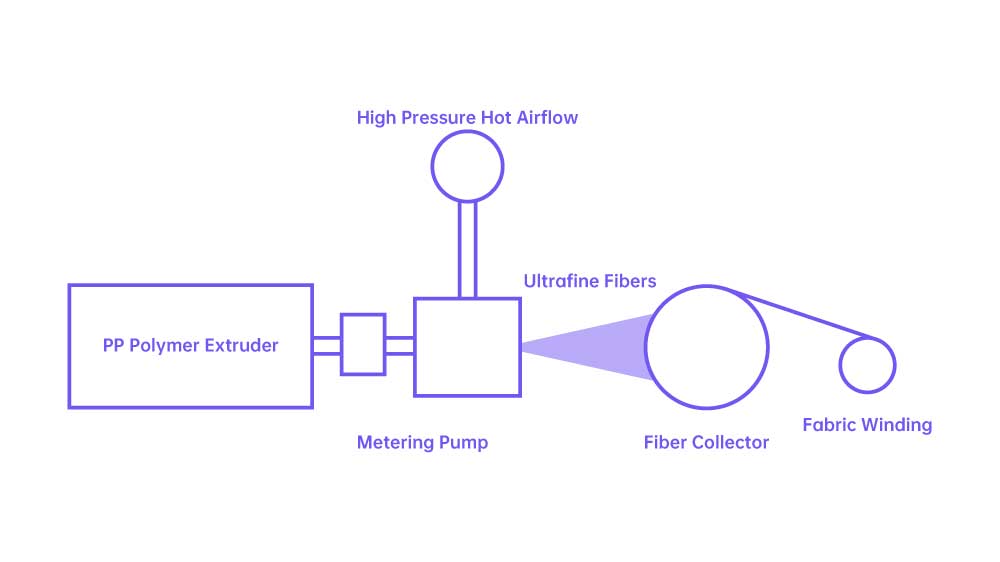
The meltblown process revolutionized the production of nonwoven fabrics, introducing a groundbreaking technique that departed from traditional weaving and knitting methods. By harnessing the principles of thermoplastic extrusion and rapid cooling, meltblown transformed molten polymer into ultrafine fibers, paving the way for endless possibilities.
One of the defining characteristics of meltblown nonwovens is the incredibly fine size of its fibers. This distinction gives rise to several notable advantages, including enhanced softness, superior coverage, increased opacity, and improved porosity. The fine fiber structure also allows for a significantly higher number of fibers per unit weight compared to conventional fabrics. Moreover, the expanded surface area offered by these fibers unlocks a world of possibilities across various industries and product applications.
A testament to the impact and widespread adoption of meltblown technology can be seen in the sheer number of patents it has garnered. As of 2021, over thousands of patents had been granted for technologies and products related to melt blowing in the past 60+ years. This serves as a testament to the level of interest, research, and innovation dedicated to advancing meltblown techniques and its various applications. While more recent data on patent grants is unavailable at the moment, it is reasonable to assume that the number has significantly increased, underscoring the continued growth and development in this field.
Today, meltblown products have achieved remarkable success in a wide range of fields. They have found applications in critical areas such as filter media, medical fabrics, hygiene products, petroleum sorbents, apparel, hot melt adhesives, electronic specialties, and even unconventional uses like tents and elastic nonwovens. The unique properties of meltblown fabrics hold immense potential for driving innovation and delivering cutting-edge solutions across multiple industries.
Enter the Electrets: How Electret Meltblown Advanced and Got Even Better
In the realm of meltblown nonwovens, a new player emerged that would take the technology to even greater heights: the electrets. But what exactly are electrets? Imagine a material with a built-in electrical charge that can retain this charge for an extended period of time. This is the magic of electrets. They possess unique electrical properties that enable them to attract and capture particles, making them highly efficient for filtration purposes.
The creation of electret meltblown is a delicate dance between science and engineering. As the polymer undergoes its magical transformation into ultrafine fibers, an enchanting process ensues. It’s here that the secret lies—the electret charging process. Through a mesmerizing ritual, the newly formed fibers are imbued with an electrostatic charge. This is achieved by subjecting them to a corona discharge, where a high-voltage electrical field delicately bestows an electrical charge upon their surfaces. The charged fibers act as powerful magnets, attracting and trapping even the tiniest particles, whether they are airborne contaminants, dust, or microorganisms. This makes electret meltblown an invaluable component in air and liquid filtration systems, providing cleaner and safer environments.
The application of electret meltblown extends far beyond filtration. Its remarkable properties have found utility in various industries and products. For example, in the medical field, electret meltblown is employed to create surgical masks and other personal protective equipment. The charged fibers help capture and filter out harmful bacteria and viruses, offering crucial protection to healthcare workers and the general public. Additionally, electret meltblown is utilized in insulation materials, soundproofing solutions, and even in the development of innovative energy storage devices.
With the advent of electret meltblown, the already impressive capabilities of meltblown nonwovens were taken to new heights. The integration of electret technology introduced a powerful tool for enhancing filtration efficiency and improving the performance of a wide range of products. As the demand for cleaner and healthier environments continues to grow, electret meltblown is poised to play an increasingly vital role in safeguarding our well-being and shaping a better future.
And our article will focus on the story of meltblown nonwovens in the air filtration industry.
Overcoming Challenges: The quest for More Stable and Higher Efficiency in Traditional Electret Meltblown
The quest for higher air filtration efficiency has become increasingly crucial in various industries and applications. As we face growing concerns about air quality and the need to combat airborne contaminants, there is a pressing demand for filtration systems that can provide superior performance. Traditional electret meltblown materials, while effective in capturing particles, have faced challenges in meeting the stringent requirements of certain applications.
One prime example is the need for N99 masks, which are designed to offer a filtration efficiency of at least 99% for airborne particles. The current standard for electret meltblown materials achieves a filtration efficiency of around 96%, falling short of the N99 mask requirement. This discrepancy highlights the need for advancements in the stability and efficiency of electret meltblown technology to meet the stringent filtration demands of high-performance masks.
Furthermore, the storage life of electret meltblown materials is a critical aspect to consider. Over time, the electrostatic charge that enhances filtration efficiency can gradually diminish, leading to a decline in performance. This poses a challenge in maintaining consistent filtration capabilities over an extended period. To address this issue, researchers and manufacturers are dedicated to developing innovative techniques and materials that can improve the storage life of electret meltblown, ensuring long-lasting and reliable filtration performance.
Efforts are being made to explore new approaches, such as incorporating advanced polymers or modifying the electrostatic charging process, to enhance the stability, efficiency, and storage life of traditional electret meltblown. These advancements aim to provide solutions that not only meet the stringent requirements of N99 masks but also offer improved filtration performance across a wide range of applications. By striving to overcome these challenges, the industry is pushing the boundaries of electret meltblown technology, paving the way for more effective and durable filtration solutions in the future.
And here comes our protagonist: water electret meltblown.
The Rise of Water Electret Meltblown: A New Chapter Begins
Introducing Water Electret Meltblown: What It Is and How It Works
Water electret meltblown represents a remarkable advancement in nonwoven technology, offering a significant departure from traditional electret meltblown materials. By utilizing a unique water electret charging (WEC) process, this innovative approach aims to enhance the stability, filtration efficiency, and storage life of meltblown nonwovens, unlocking new possibilities in various applications.
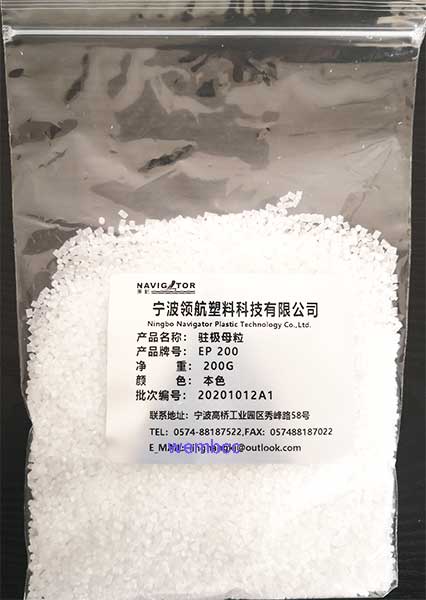
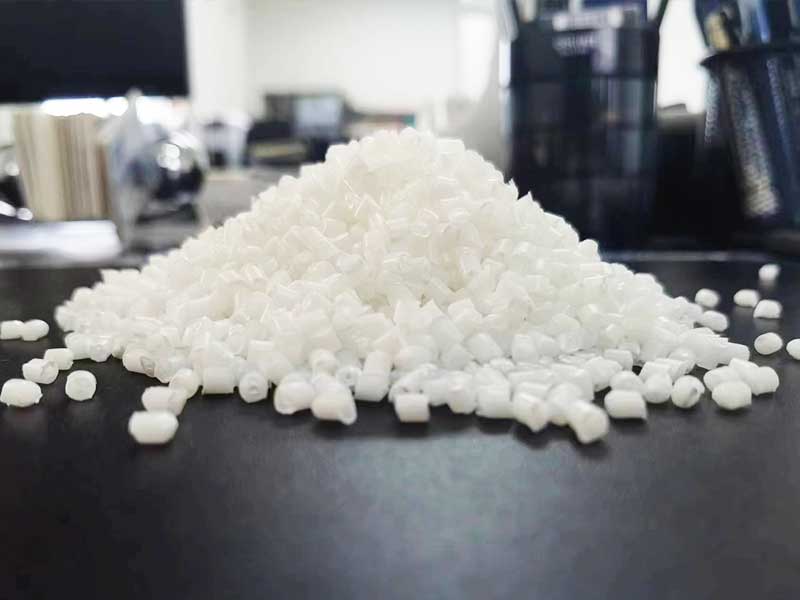
So, what exactly is water electret meltblown and how does it work? Water electret meltblown is a type of nonwoven fabric that incorporates a water electret masterbatch during its production. This water electret technology is originated from American 3M. Unlike traditional electret meltblown, which relies on the corona discharge method to charge the fabric, water electret meltblown employs a water-based process to impart an electrostatic charge to the fibers.
The water electret charging process takes place near the end of the meltblown nonwovens production. High-pressure pure water is ejected through the meltblown fabric, creating friction between the water and fibers. This friction leads to the charging of the fabric, resulting in enhanced electrostatic properties. The water electret charging process is designed to provide improved charge stability, higher air filtration efficiency, and extended storage life for the meltblown nonwoven fabric.
By introducing water electret meltblown, manufacturers aim to address key challenges faced by traditional electret meltblown materials. One of the primary goals is to achieve a more stable charge stability, ensuring consistent filtration performance over time. Additionally, water electret meltblown offers the potential for higher air filtration efficiency, surpassing the requirements of masks with higher filtration standards such as N99 masks. The charged fibers in water electret meltblown attract and capture particles more effectively, enhancing filtration performance.
Furthermore, the water electret charging process aims to improve the storage life of meltblown nonwovens. The electrostatic charge imparted by the water electret charging helps maintain the fabric’s filtration efficiency and electrostatic properties for a longer duration. This characteristic is particularly valuable in applications where extended storage or shelf life is required.
The introduction of water electret meltblown opens up new avenues for various industries and applications. From air and liquid filtration to medical textiles, protective apparel, and beyond, this innovative technology offers enhanced stability, higher filtration efficiency, and prolonged storage life. As further research and development efforts continue, we can anticipate even more advancements in water electret meltblown, driving the evolution of nonwoven materials and contributing to a range of innovative solutions across industries.
Discovering the Magic: 7 Amazing Improvements of Water Electret Meltblown
Water electret meltblown, with its groundbreaking technology, brings forth a multitude of remarkable enhancements that elevate the performance of nonwoven fabrics. Let’s delve into the seven amazing improvements offered by this innovative approach, revolutionizing the landscape of filtration and beyond.
- Enhanced Charge Stability: Water electret meltblown introduces a new era of charge stability. Through the water electret charging process, the fabric achieves a more consistent and long-lasting electrostatic charge. This enhanced stability ensures reliable filtration performance over extended periods, making it a valuable asset in critical applications.
- Improved Filtration Efficiency: With water electret meltblown, filtration efficiency reaches new heights. The charged fibers attract and capture particles with enhanced precision, resulting in improved filtration performance. This advancement allows for the removal of even smaller particles from the air, ensuring cleaner and safer environments.
- Better Storage Lifespan: Water electret meltblown extends the storage life of nonwoven fabrics. The electrostatic charge imparted during the water electret charging process helps maintain the fabric’s filtration efficiency and electrostatic properties over time. This prolonged storage lifespan is particularly advantageous in applications where long-term storage or shelf life is essential.
- Amazing Performance in Challenging Environments: Water electret meltblown demonstrates exceptional performance even in challenging environments. Whether it’s high humidity, extreme temperatures, or harsh conditions, the fabric retains its filtration efficiency and electrostatic properties, making it reliable and adaptable in various demanding settings.
- Superior Particle Retention and Increased Dust Holding Capacity: The unique properties of water electret meltblown result in superior particle retention and increased dust holding capacity. The charged fibers effectively capture and retain particles, preventing their release back into the environment. This enhanced capacity to trap and hold dust particles ensures cleaner air and improved overall performance.
- Lower Air Resistance: Water electret meltblown offers the advantage of lower air resistance. The optimized structure of the fabric reduces resistance to airflow while maintaining excellent filtration efficiency. This characteristic is particularly beneficial in applications where high-performance filtration is required without compromising air circulation.
- Continuously Under Improvement: Water electret meltblown is a technology under constant development and improvement. Researchers and manufacturers are continuously working towards refining and enhancing its performance, exploring new possibilities, and pushing the boundaries of what is achievable. This commitment to continuous improvement ensures that water electret meltblown remains at the forefront of innovation in the field of nonwoven fabrics.
The seven amazing improvements offered by water electret meltblown have revolutionized the filtration industry and beyond. This technology opens up a world of possibilities and paves the way for safer and cleaner environments.
Want to learn more specifically why these improvements happened? You can find more details at Benefits of water electret masterbatch and our EP-6: What new properties have meltblown nonwovens gained with the use of water electret masterbatches?
Embracing a Brighter Future: Applications and Possibilities
Water electret meltblown, with its incredible advancements, is igniting a wave of innovation across various industries. Let me explore the exciting applications and possibilities that showcase the boundless potential of this remarkable technology for you:
- Filtration Media: Water electret meltblown is revolutionizing the field of filtration. From air filters to water purification systems, its enhanced charge stability and improved filtration efficiency make it an ideal choice for capturing and removing contaminants. This breakthrough technology ensures cleaner air, safer water, and healthier environments.
- Medical Fabrics: In the medical industry, water electret meltblown plays a vital role in producing high-quality medical fabrics. Its superior particle retention and increased dust holding capacity make it an excellent choice for surgical masks, protective gowns, and other medical textiles. This technology helps safeguard healthcare professionals and patients, promoting safety and hygiene.
- Hygiene Products: Water electret meltblown finds its way into various hygiene products, such as diapers, feminine care products, and wipes. Its ability to effectively capture and retain particles ensures optimal hygiene and comfort. By incorporating this innovative technology, manufacturers can create products that prioritize cleanliness and well-being.
- Automotive Components: Water electret meltblown is making waves in the automotive industry. Its exceptional filtration capabilities make it ideal for cabin air filters, ensuring clean and fresh air inside vehicles. By effectively trapping dust, pollen, and other harmful particles, this technology contributes to a healthier driving experience.
- Animal Husbandry: Water electret meltblown is also finding applications in animal husbandry. It is used in air filtration systems for livestock barns, helping to improve air quality and create a healthier environment for animals. By reducing the presence of harmful particles and allergens, this technology contributes to the well-being and productivity of livestock.
- Industrial Dust Removal: Water electret meltblown is at the forefront of cutting-edge manufacturing processes, such as those involved in the production of chips, displays, and other electronic products. These industries demand a high level of cleanliness to ensure optimal performance and product quality. Water electret meltblown excels in industrial dust removal applications by effectively capturing and removing microscopic particles that could potentially damage delicate electronic components. Its superior filtration efficiency and lower air resistance contribute to maintaining a pristine manufacturing environment, safeguarding the integrity and functionality of advanced electronic devices.
- Environmental Solutions: Water electret meltblown also contributes to environmental sustainability. It is used in petroleum sorbents, helping to absorb oil and other contaminants from water sources. Additionally, its applications extend to waste management, spill control, and environmental cleanup, offering innovative solutions for a cleaner and greener future.
These possibility represent just a glimpse into the vast range of applications for water electret meltblown. As this technology continues to evolve, its potential grows, inspiring further advancements and discoveries.
On the Horizon: Research and Development for Air Filtration Excellence with Water Electret Meltblown
As the industry continues to evolve and push the boundaries of air filtration technology, there is an unwavering commitment to achieving even higher levels of efficiency. With water electret meltblown at the forefront of this innovation, researchers and engineers are dedicated to advancing the filtration capabilities to new heights.
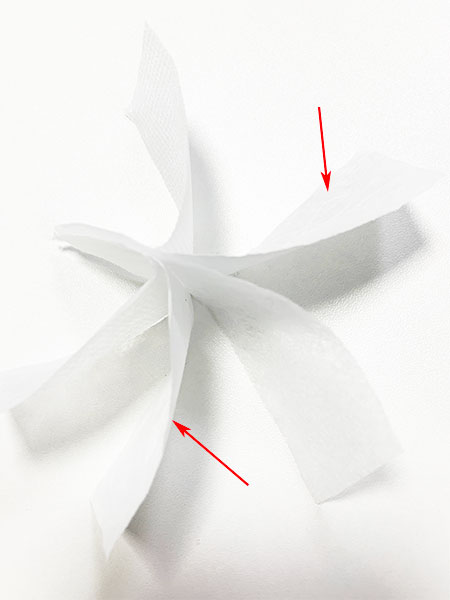
Currently, water electret meltblown exhibits remarkable air filtration efficiency, reaching levels as high as 99.99%. This already places it among the top performers in the market, providing exceptional protection against airborne particles and pollutants. However, the quest for excellence does not stop there.
Driven by the relentless pursuit of perfection, researchers are actively exploring new methodologies and refining the water electret meltblown process. With each breakthrough, the goal of achieving a staggering 99.9999% air filtration efficiency becomes closer to reality.
This unparalleled level of filtration would signify a significant leap forward in safeguarding air quality and protecting human health. The potential applications are immense, ranging from critical environments like hospitals and laboratories to everyday settings where clean and purified air is essential.
As research and development efforts intensify, collaborations among scientists, engineers, and industry leaders continue to foster innovation. The collective determination to push the boundaries of air filtration excellence fuels a future where water electret meltblown plays a pivotal role in creating healthier and safer environments for everyone.
While the journey towards 99.9999% air filtration efficiency is ongoing, the industry remains steadfast in its commitment to delivering groundbreaking solutions that redefine the standards of clean air. With each step forward, the realization of this extraordinary milestone draws nearer, promising a future where pristine air quality is not just a dream, but a reality.
A Predictable Ending: Embracing Nonwoven Excellence
In the ever-evolving landscape of nonwoven technology, water electret meltblown emerges as a game-changer, poised to reshape the industry. As its popularity grows, so too does its potential to revolutionize the way we think about filtration.
One of the significant advantages of water electret meltblown is its cost-effectiveness. As the industry scales up production and harnesses economies of scale, the cost of this innovative material is expected to decrease, making it increasingly accessible to a wide range of applications. This cost reduction follows the trajectory set by traditional electret meltblown, ensuring that water electret meltblown remains competitive in the market.
But cost is not the only factor that sets water electret meltblown apart. Its lower air resistance, combined with higher filtration efficiency and superior stability, make it a formidable contender in the world of filtration materials. The ability to strike a balance between these essential attributes propels water electret meltblown to the forefront of nonwoven technology.
Furthermore, as the air filtration efficiency of water electret meltblown continues to approach the remarkable threshold of 99.9999%, it stands poised to challenge the dominance of glass fiber-based filters. The battle for supremacy in air filtration is ongoing, and water electret meltblown’s exceptional performance positions it as a strong contender in this quest for excellence.
With its combination of cost-effectiveness, low air resistance, high filtration efficiency, and stable performance, water electret meltblown represents a paradigm shift in nonwoven technology. It unlocks the power of innovation, enabling breakthroughs in air filtration that were once unimaginable.
As the industry embraces water electret meltblown and further explores its potential, we stand on the precipice of a new era in filtration technology. The journey ahead promises to be exciting, as we witness the transformation of nonwoven materials and the positive impact they have on our lives and the environment.
In the battle for superior filtration, water electret meltblown is set to revolutionize the industry and leave an indelible mark on nonwoven technology. With its remarkable capabilities, it ushers in a future where clean and purified air becomes a fundamental right for all.
The journey of meltblown nonwovens is a story of ingenuity, innovation, and the pursuit of excellence. It continues to shape industries, empower manufacturers, and inspire the creation of groundbreaking products. As we reflect on the thousands of patents granted and the remarkable progress made, we are reminded of the transformative power of human creativity and the endless possibilities that lie ahead.
Paving the way for a greener, healthier and cleaner tomorrow, water electret meltblown will be the ultimate winner.